Posterior approach to the iliac crest

Introduction

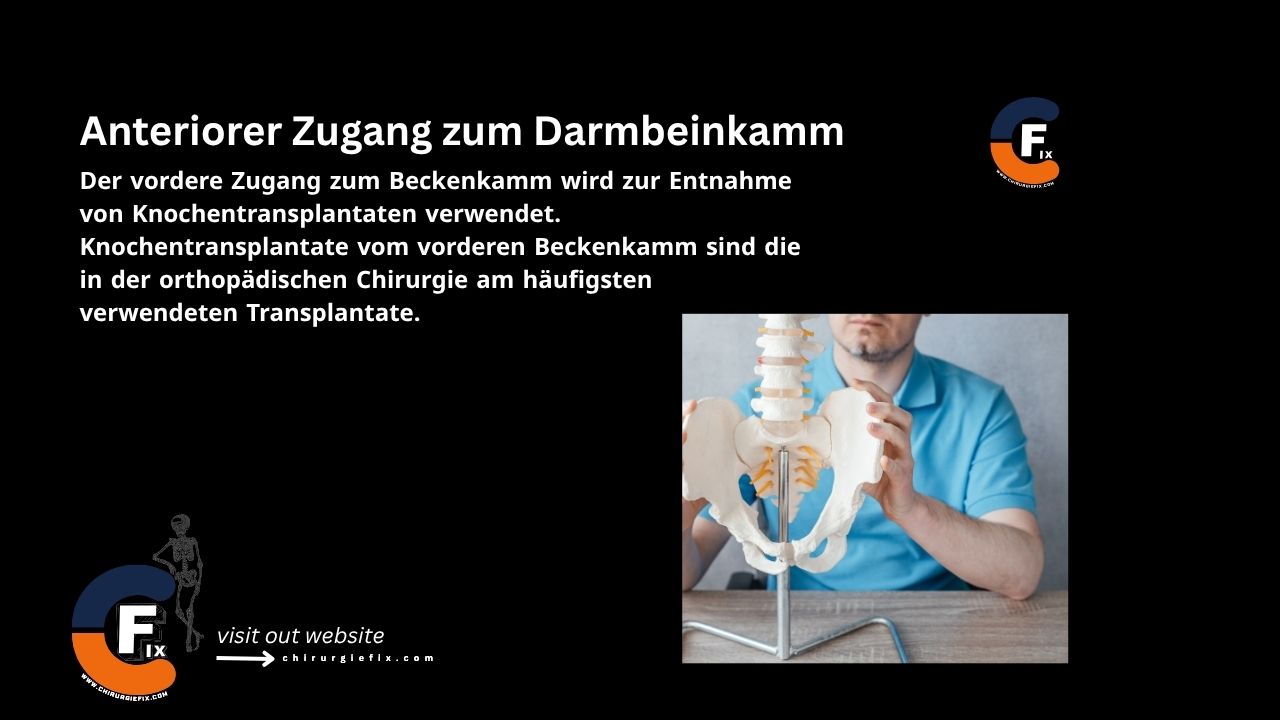
The posterior approach to the iliac crest is used to harvest a bone graft from the iliac crest. This is typically performed during posterior spinal surgery when additional autologous bone is needed to supplement the area to be fused. These grafts can also be used as corticocancellous grafts for any part of the skeleton that requires fusion or refusion.

Patient Positioning

  • Place the patient in the prone position on the operating table. Support the chest wall and pelvis with longitudinal pads so that the chest wall and abdomen can expand without touching the table.
  • Position the drapes far enough distally so that the beginning of the gluteal fold and the posterior superior iliac spine are visible.

Landmarks and Incision

Landmarks

  • Palpate the posterior superior iliac spine.
  • Posterior part of the iliac crest.

Incision

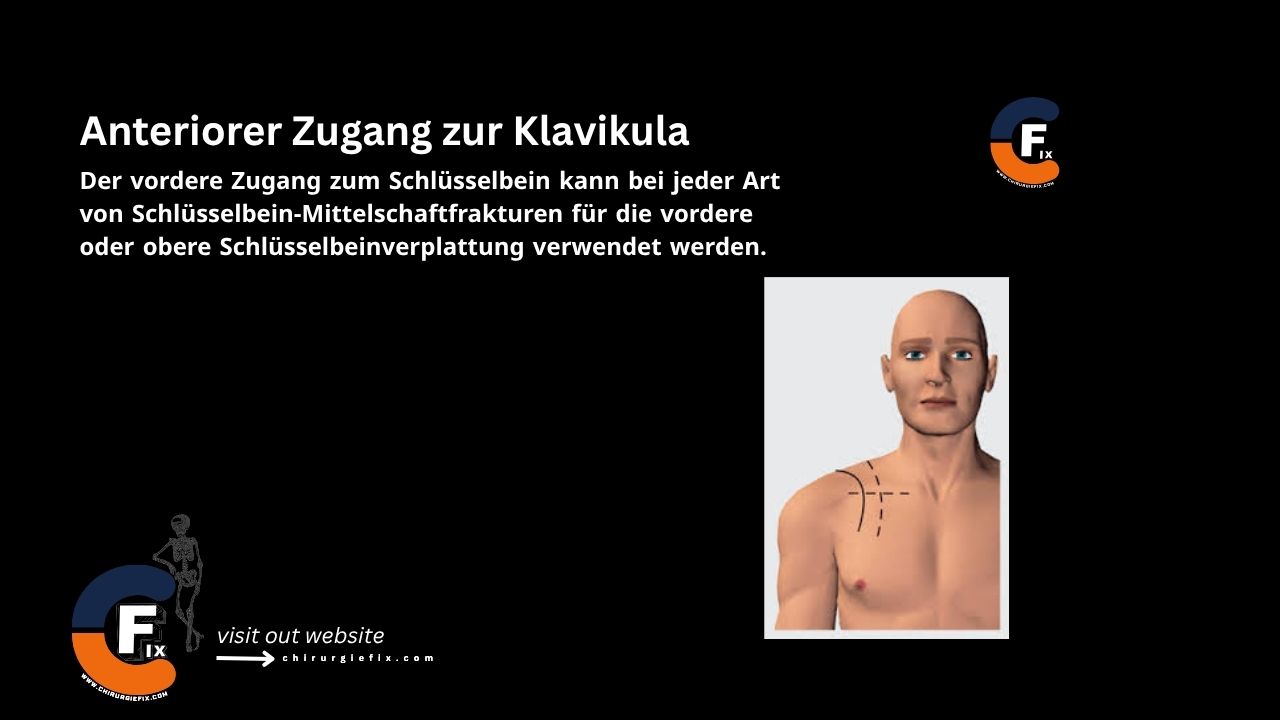
  • Make an 8 cm long oblique incision centered over the posterior superior iliac spine and in line with the iliac crest.

Internervous Plane

  • The outer edge of the iliac crest is essentially an internervous plane, as muscles attach to or originate from the iliac crest but do not cross it.
  • The gluteus medius, minimus, and maximus muscles arise from the outer surface of the ilium.
  • The gluteus medius and minimus are supplied by the superior gluteal nerve, and the gluteus maximus is supplied by the inferior gluteal nerve.

Superficial Dissection

  • The subcutaneous tissue should be dissected until the iliac crest is reached.
  • In children, the iliac apophysis is white and clearly visible. It can be incised or split in line with the iliac crest, using it as an avascular plane.
  • In adults, the apophysis is ossified and fused with the crest; the incision is made directly on the crest itself.
  • Using a Cobb elevator, the apophysis or muscles should be stripped both medially and laterally from the iliac crest to expose the surface of the posterior part of the crest.

Deep Dissection

  • Remove the muscle completely from the posterior part of the lateral surface of the ilium to allow for a graft of sufficient size.
  • Going 1.5 cm further down the ilium into the area of the posterior superior iliac spine, you can see and feel the raised posterior gluteal line.
  • Progress subperiosteally over the line and then down on the other side.

Approach Extension

  • The posterior approach to the iliac crest cannot be extended.
  • It is specifically designed for harvesting bone graft material from the posterior outer cortex of the ilium. The inner cortex can also be harvested, but soft tissues should not be stripped from the anterior (deep) side of the ilium.

Dangers

Structures at risk during the posterior approach to the iliac crest include:

  1. Sciatic Nerve:
    • The sciatic nerve runs close to the distal end of the wound deep within the sciatic notch.
    • There is a small chance it could be struck during graft harvest with an osteotome.
  2. Superior Gluteal Vessels:
    • The superior gluteal vessel is a branch of the internal iliac artery (hypogastric artery).
    • It leaves the pelvis through the sciatic notch and stays on the bone proximal to the piriformis muscle. If a graft is taken too close to the sciatic notch, this vessel can be severed and retract into the pelvis.
  3. The Sciatic Notch:
    • Breaking through the thick part of the bone that forms the notch disrupts pelvic stability.

References

  • Book: "Surgical Exposures in Orthopaedics" – 4th edition
  • Campbell's Operative Orthopaedics book 12

Still to read...