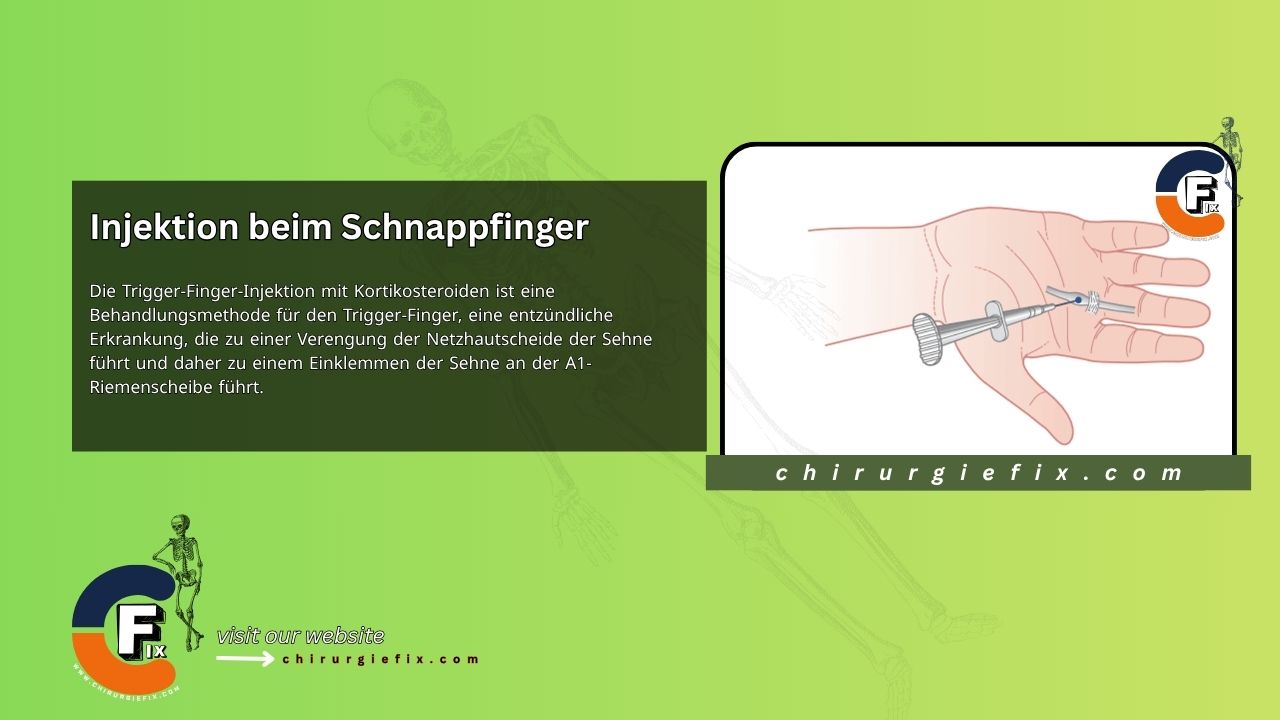
A trigger finger injection with corticosteroids is a treatment for trigger finger, an inflammatory condition that causes narrowing of the tendon sheath. This narrowing leads to the tendon becoming caught at the A1 pulley. Trigger finger results in painful clicking and, at times, locking of the finger or thumb, making active extension impossible. A tender nodule can often be felt, typically at the base of the affected finger.
Trigger finger develops when a nodule forms within the flexor tendon sheath, which then becomes inflamed and painful. This usually occurs at the joint lines where the tendon is held in place by ligaments. While any finger can be affected, it is most common in the thumb or index finger.
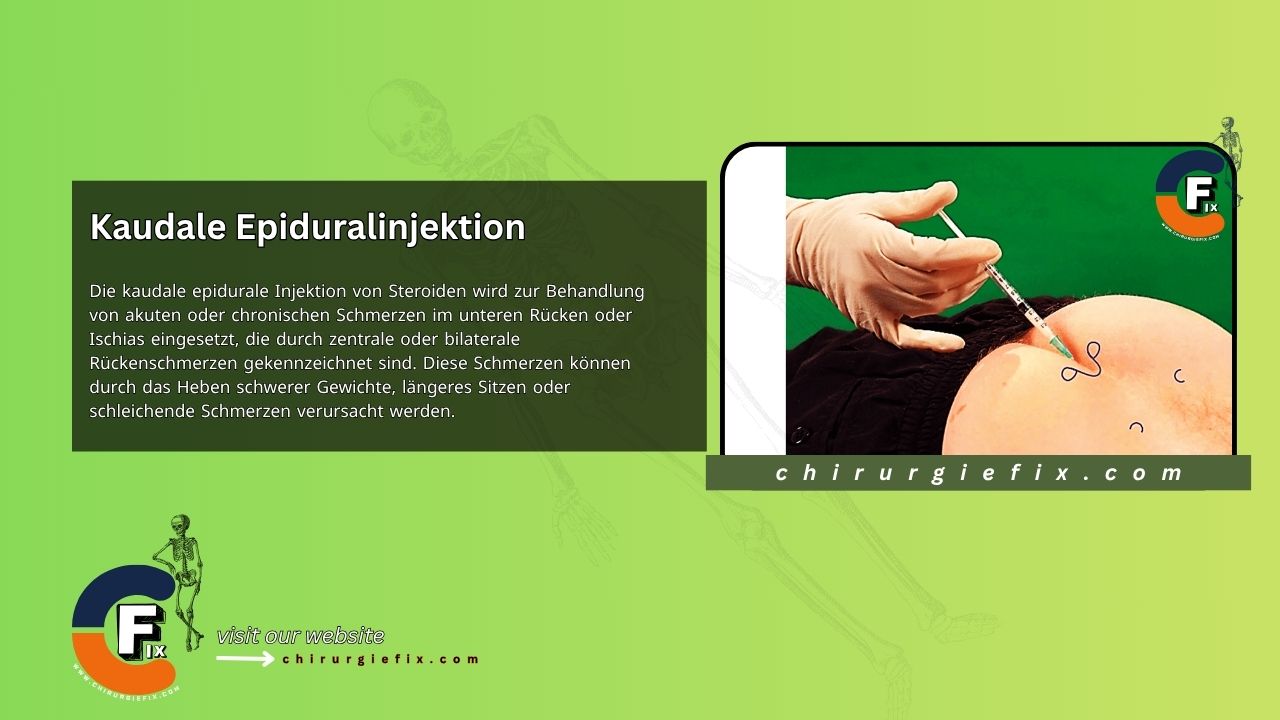
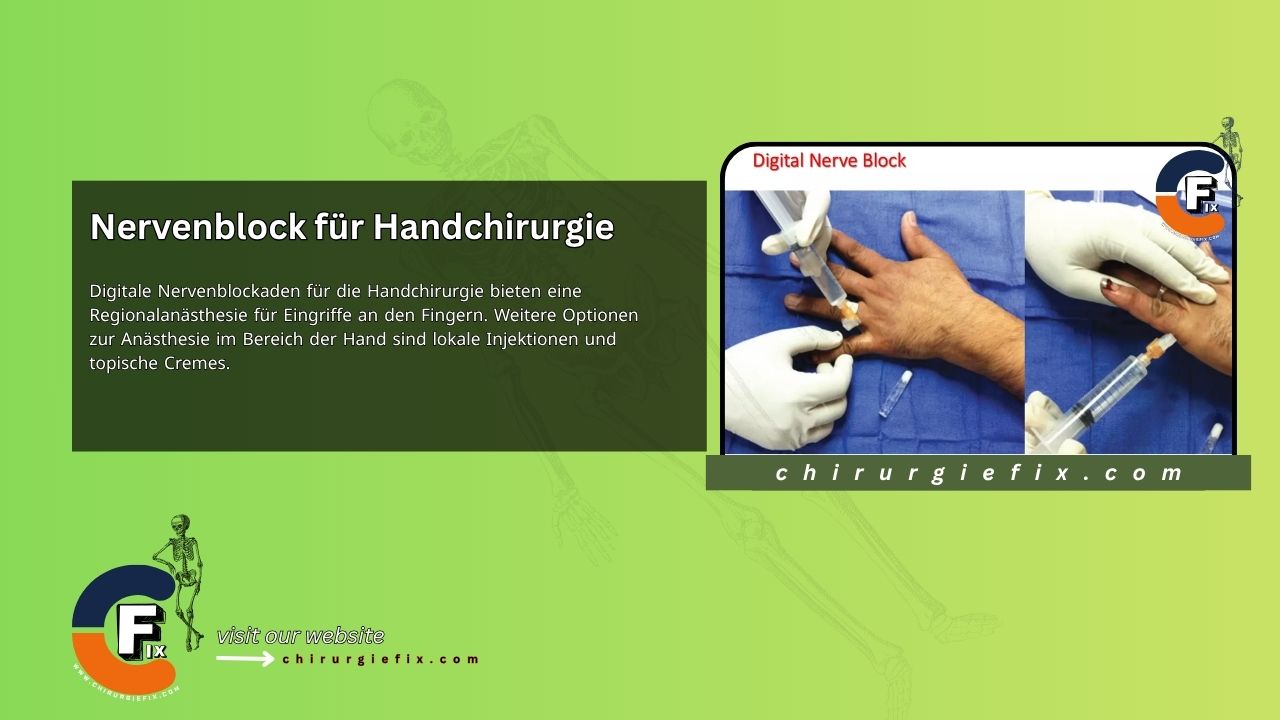
The procedure for a trigger finger injection involves the following steps:
There are no specific restrictions on the patient’s activities, aside from relative rest for a few days following the injection.
A trigger finger injection is almost always effective. Although the nodule often remains, it can remain asymptomatic indefinitely. Occasionally, a slight popping sensation may be felt as the needle enters the nodule. If the needle enters a tendon, a rubbery resistance will be felt.
Some clinicians first insert the needle alone and then ask the patient to bend their finger. If the needle moves, it confirms the correct location, and the syringe can then be attached. However, this can cause delays and discomfort for the patient. Other clinicians prefer to bend the needle before inserting it into the tendon sheath, though there is a small risk of needle breakage.
Patients with diabetes and rheumatoid arthritis have a lower response rate to steroid injections for trigger finger. Still, up to 60% of diabetic patients are successfully treated with steroid injections. The success rate is lower when multiple digits are involved. Patients with insulin-dependent diabetes and those with non-insulin-dependent diabetes had worse outcomes after corticosteroid injection for trigger finger compared to patients without diabetes.
A single corticosteroid injection can be offered as a first-line treatment for trigger finger in adults, but percutaneous release is a safe alternative. If the injection fails, symptoms recur, or the patient prefers, the next step should be surgery.
39% of second and third corticosteroid injections into the finger provide long-term relief. Although most patients eventually require surgical release, 50% of patients receiving repeated trigger injections experience symptom relief for one year or longer. Repeated trigger finger injections should be considered for patients who prefer non-surgical treatment.