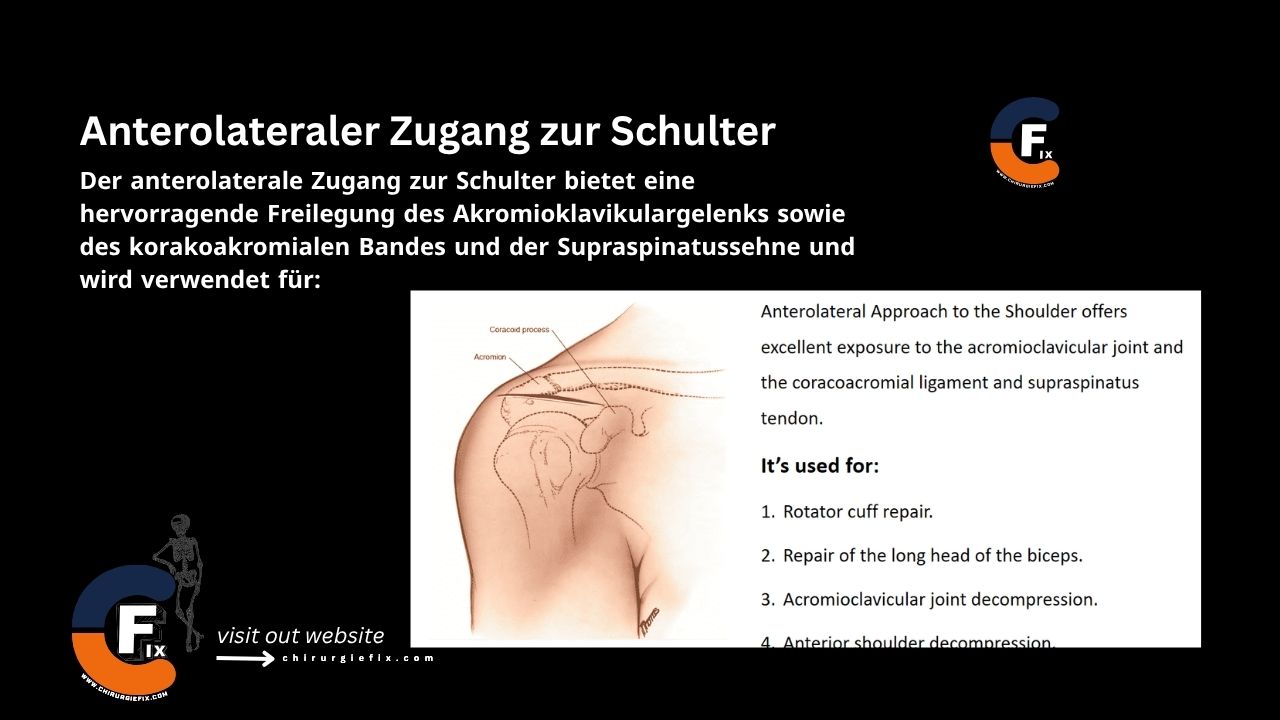
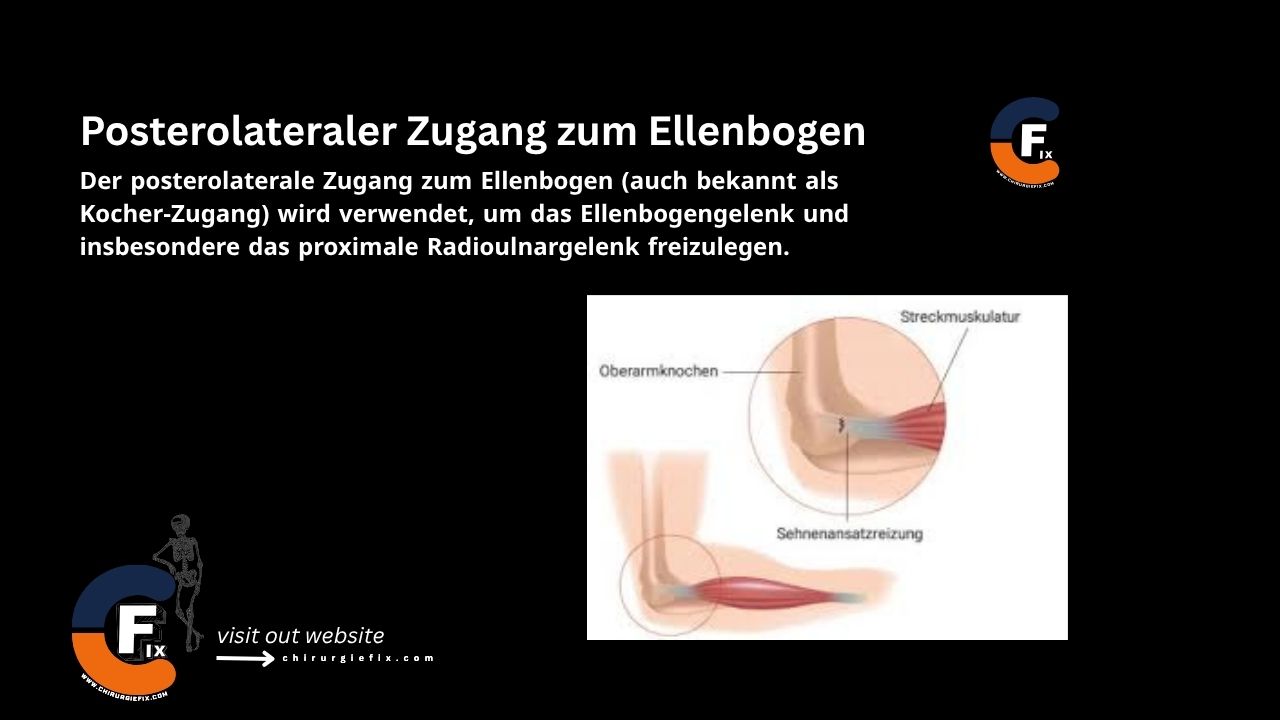
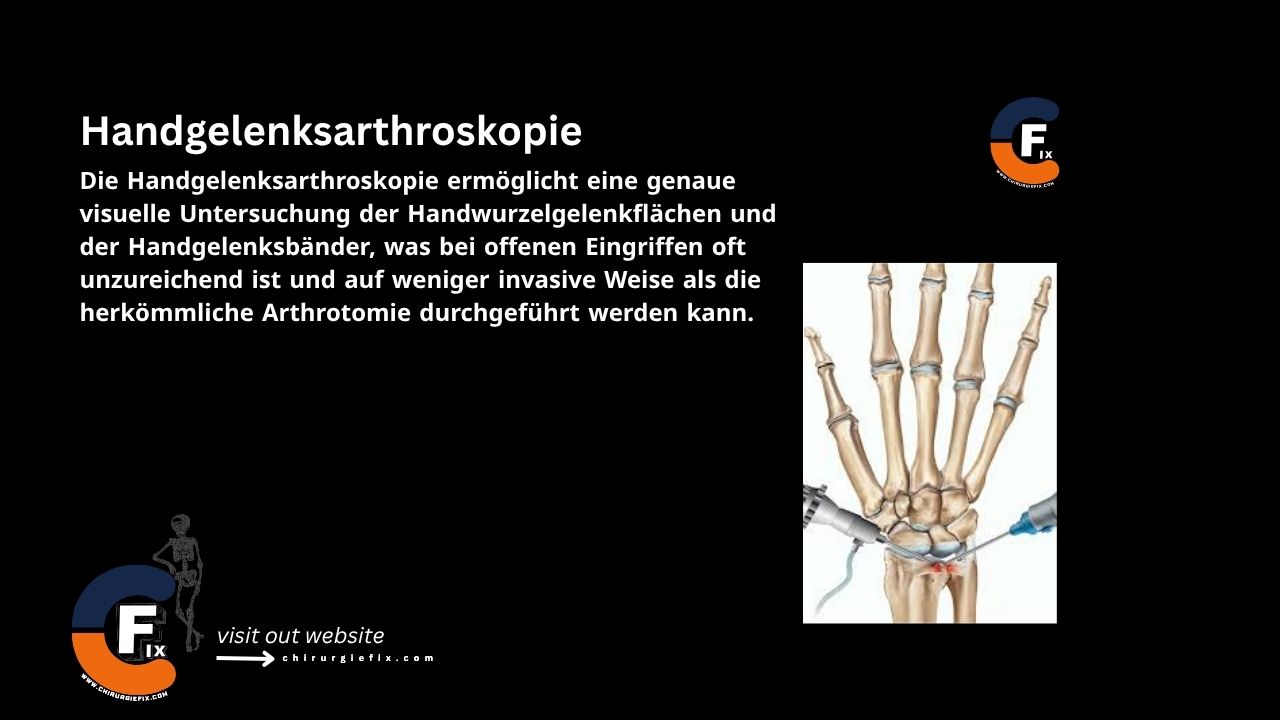
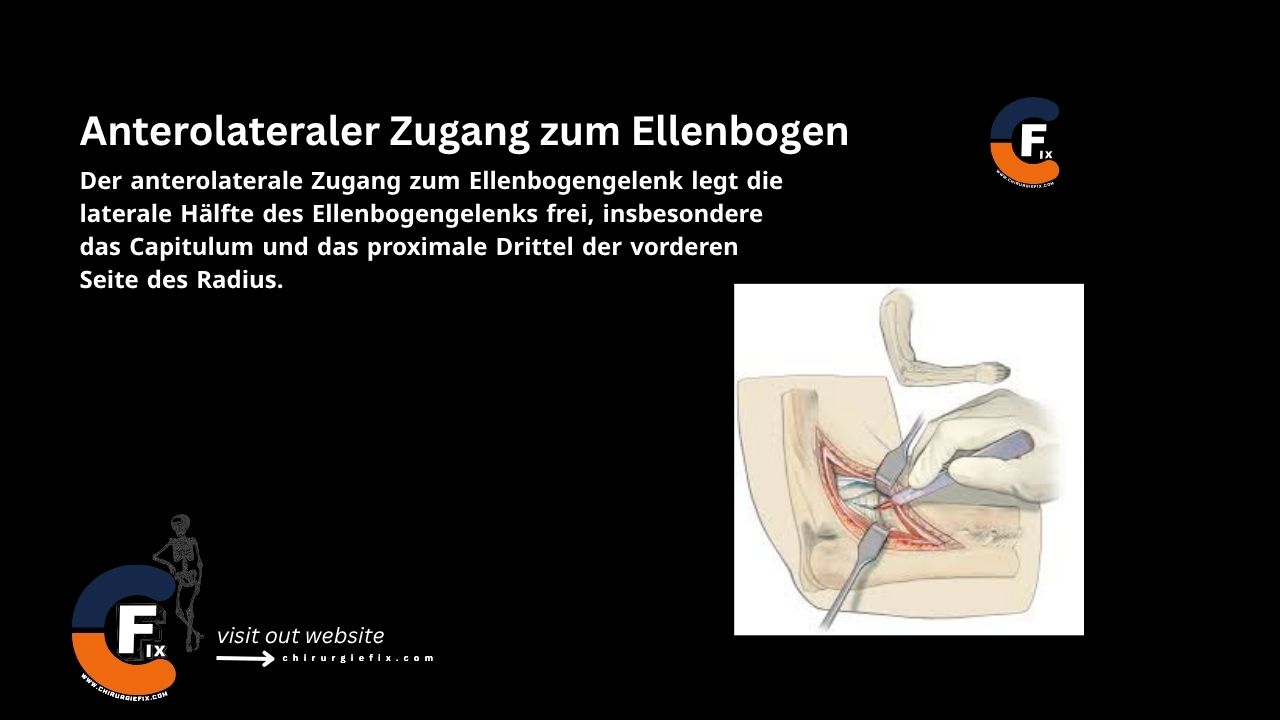
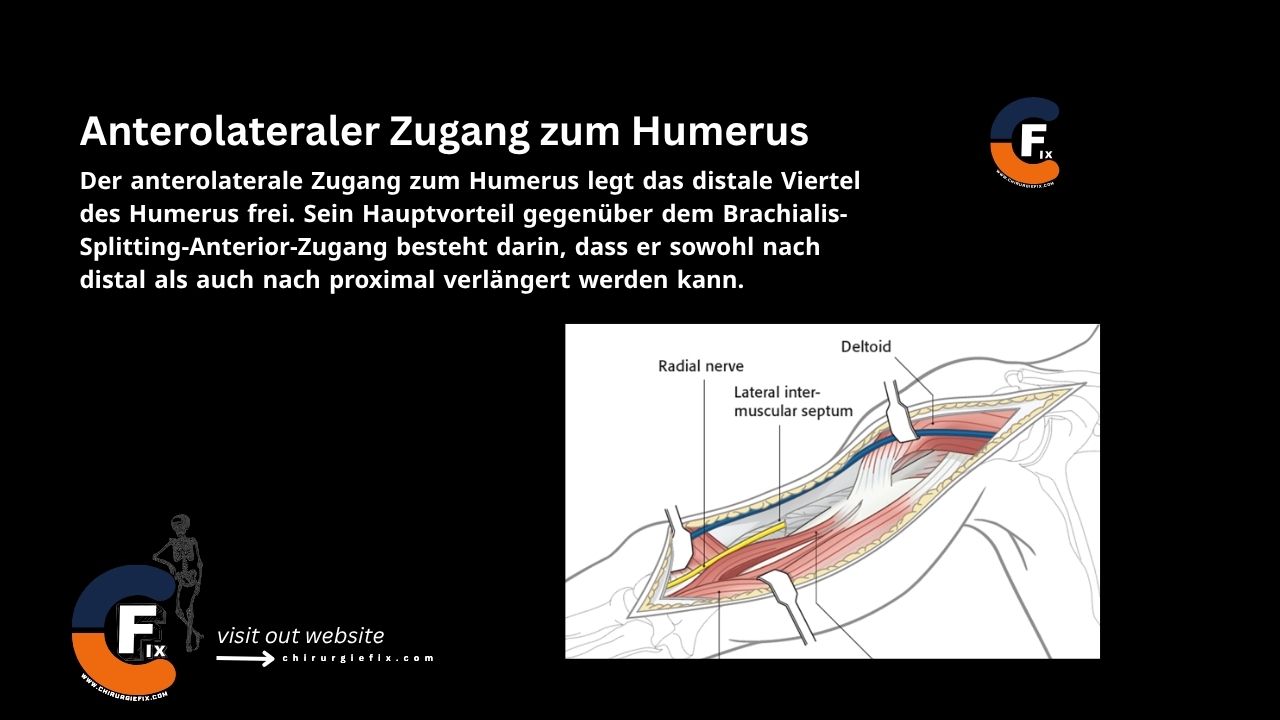
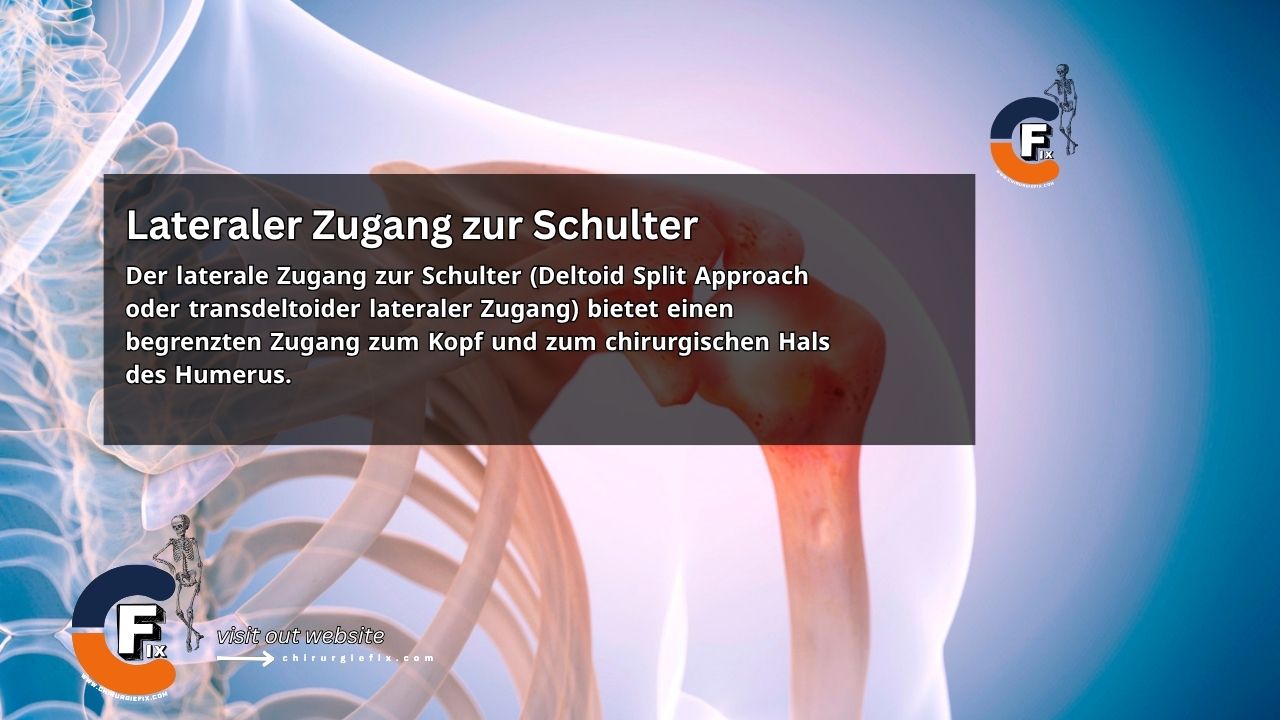
The anterolateral approach to the shoulder provides excellent exposure of the acromioclavicular joint, the coracoacromial ligament, and the supraspinatus tendon. It is commonly used for:
The use of arthroscopic subacromial decompression has reduced the need for this approach in treating impingement syndrome and, in some cases, rotator cuff repair. However, the anterolateral approach to the shoulder remains clinically relevant for many patients with extensive degenerative rotator cuff disease.
The patient is placed supine on the operating table in a beach-chair position. A sandbag is positioned under the spine and the medial border of the scapula to bring the affected side forward.
Landmarks:
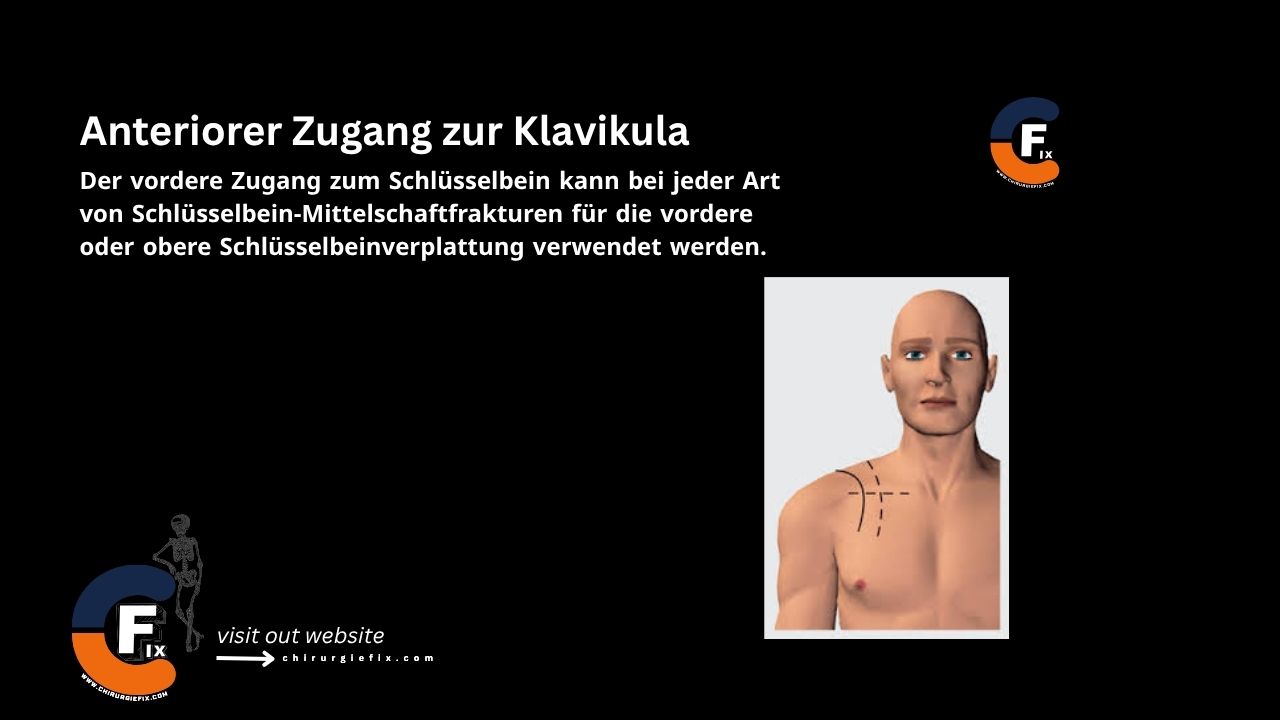
Incision:
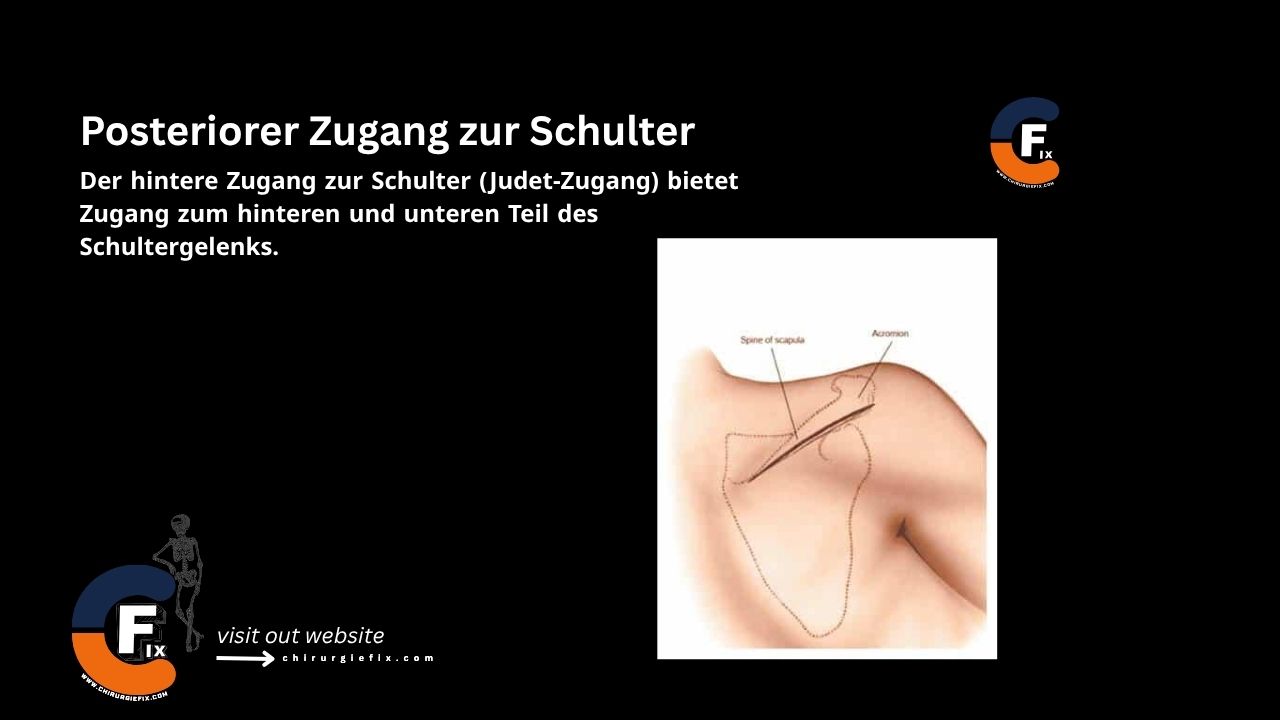
Make a transverse incision starting at the anterolateral corner of the acromion and ending just lateral to the coracoid process.
There is no internervous plane for the anterolateral approach to the shoulder (the deltoid muscle is split proximal to the axillary nerve).
The superficial fascia is identified and incised. Numerous superficial vessels are present; these must be managed to improve visualization. The deltoid muscle is then sharply released from the acromion or clavicle, depending on the area requiring surgical intervention. This release should be limited, as deltoid repair is often challenging. The acromial branch of the thoracoacromial artery must be ligated when encountered deep within the deltoid muscle, near the acromioclavicular joint.
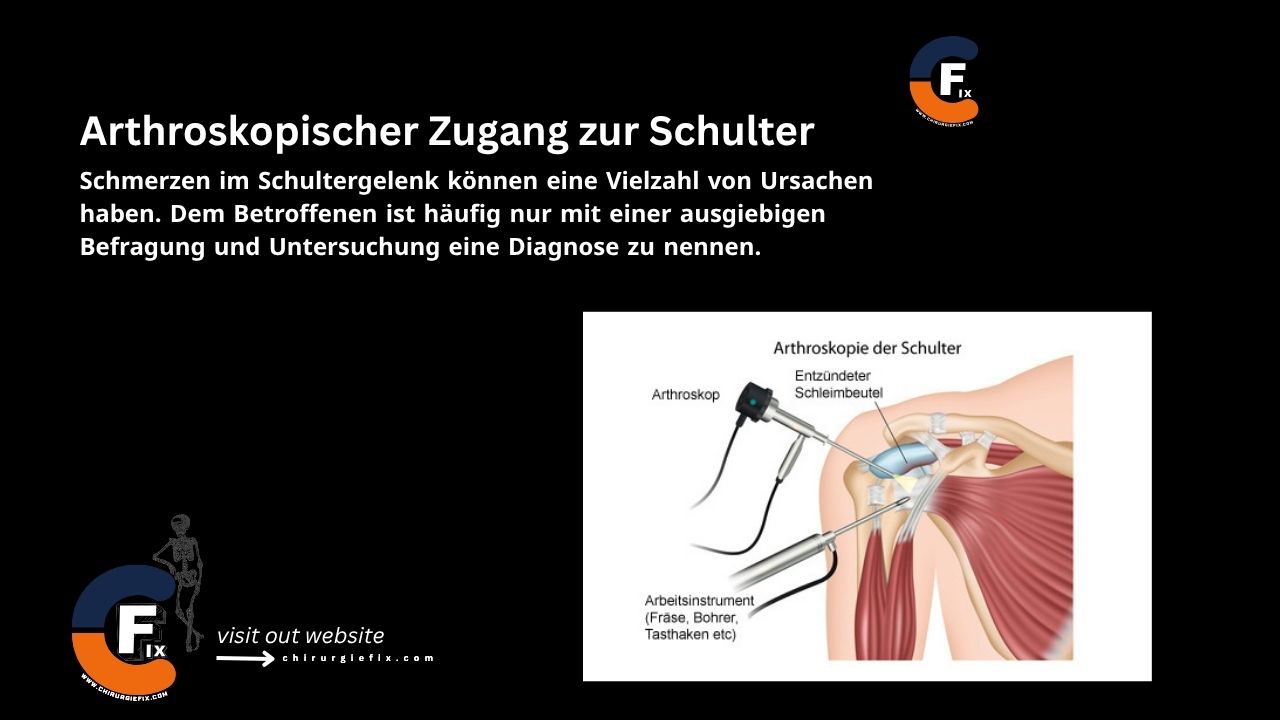
The coracoacromial ligament is then released from the acromion. It can also be removed by detaching it from the coracoid. The subacromial bursa is now visible and can be excised to reveal rotator cuff pathology.
The anterolateral approach to the shoulder cannot be extended proximally or distally.
Structures at risk during the anterolateral approach to the shoulder include: