Technique of temporomandibular joint injection

Introduction to TMJ Injection

A temporomandibular joint (TMJ) injection with steroids is used to treat acute or chronic capsulitis of the jaw joint. This condition involves inflammation of the joint capsule and can cause significant discomfort and functional limitation.

Causes of TMJ Capsulitis

Capsulitis of the temporomandibular joint may result from several factors:

  1. Osteoarthritis (OA)
  2. Nighttime teeth grinding (bruxism)
  3. Trauma or injury to the jaw
  4. Headaches
  5. Eating particularly hard or large foods
  6. Clicking or locking of the joint

Clinical Symptoms

The symptoms of TMJ capsulitis typically include:

  1. Pain over the joint line
  2. Poor jaw alignment
  3. Painful opening of the mouth
  4. Deviation or protrusion of the jaw with movement asymmetry

Relevant Anatomy

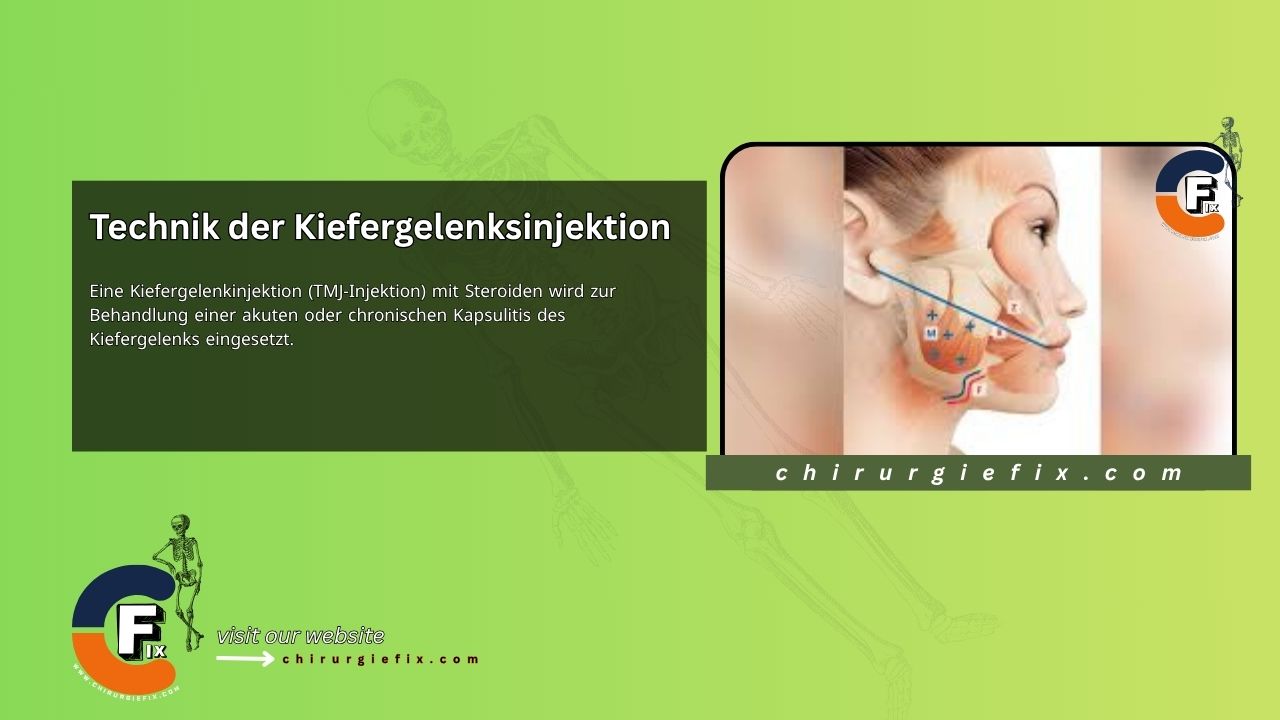
The temporomandibular joint space can be palpated just in front of the ear as the patient opens and closes the mouth. Inside the joint lies a meniscus (articular disc). The needle must be placed beneath this meniscus to enter the joint space properly. The joint is easiest to infiltrate when the jaw is opened wide. Occasionally, trauma may cause a tear of the meniscus.

Required Equipment

  • Syringe: 1 mL
  • Needle: Orange, 25 gauge / 0.5 inch (16 mm)
  • Kenalog 40: 10 mg
  • Lidocaine: 0.75 mL, 2%
  • Total volume: 1 mL

TMJ Injection Technique

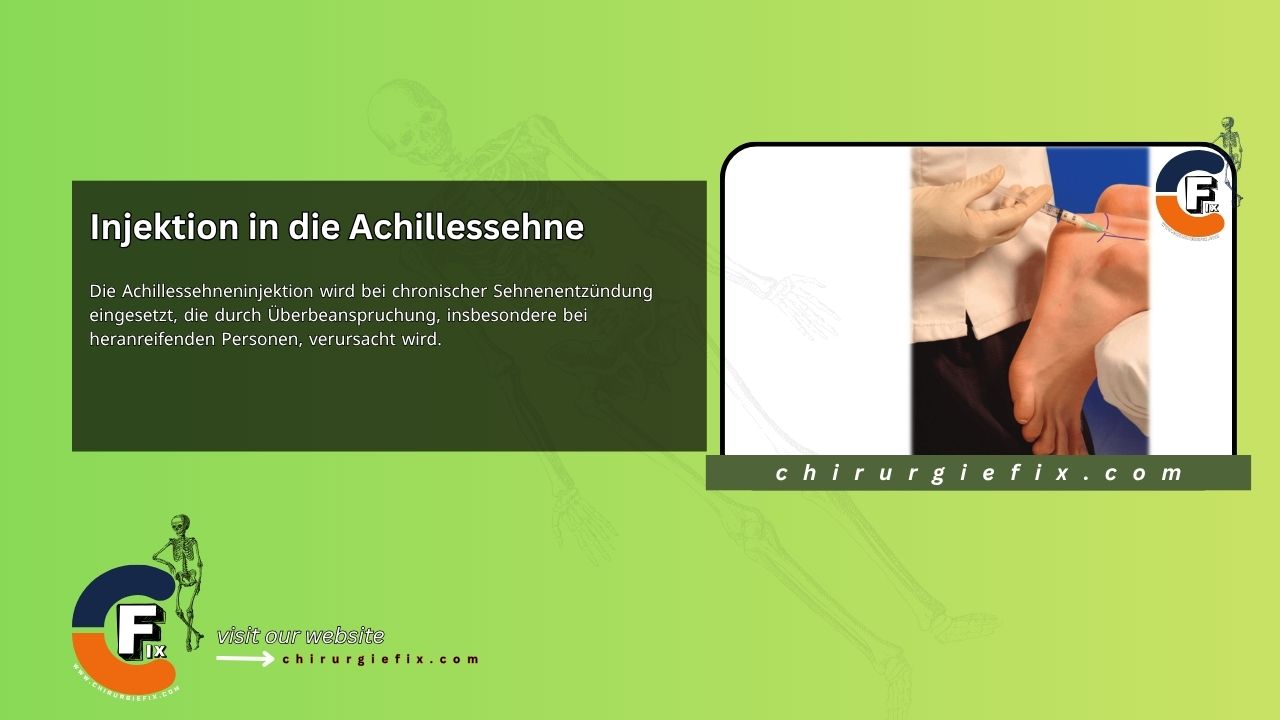
  • Position the patient lying on the healthy side, with the head supported and mouth open
  • Identify and mark the joint space
  • Insert the needle perpendicularly into the lower area of the joint space, below the meniscus
  • Inject the solution as a bolus

After the injection, patients should avoid excessive jaw movements such as biting into a large apple or eating hard foods. Gentle active movements and isometric exercises may be performed. A mouthguard for nighttime teeth grinding and/or consultation with an orthodontist may be necessary.

Clinical Notes

The needle may need to be repositioned to bypass the meniscus. In cases of meniscus displacement, an attempt should be made to reduce it through manipulation approximately one week after the injection, once the inflammation has subsided.

In resistant cases, surgery may be required. Occasionally, this condition occurs in patients suffering from significant tension; in such instances, it is worthwhile to explore an appropriate stress reduction approach.

One study found that the TMJ steroid injection technique can be safely performed by experienced oral and maxillofacial surgeons without the need for computed tomography guidance. Furthermore, these results suggest that TMJ steroid injections may be effective in treating TMJ arthritis, although further research is needed.

Another study concluded that intra-articular injection of corticosteroids and sodium hyaluronate appears to be an effective method for treating internal TMJ disorders.

References and Further Reading

  1. Injection Techniques in Musculoskeletal Medicine: A Practical Manual for Clinicians in Primary and Secondary Care, Fifth Edition
  2. Stoll ML, Good J, Sharpe T, Beukelman T, Young D, Waite PD, Cron RQ. Intra-articular corticosteroid injections to the temporomandibular joints are safe and appear effective as therapy for children with juvenile idiopathic arthritis. J Oral Maxillofac Surg. 2012 Aug;70(8):1802-7. doi: 10.1016/j.joms.2011.11.003. Epub 2012 Jan 21. PMID: 22265164.
  3. Machado E, Bonotto D, Cunali PA. Intra-articular injections with corticosteroids and sodium hyaluronate for treating temporomandibular joint disorders: a systematic review. Dental Press J Orthod. 2013 Sep-Oct;18(5):128-33. doi: 10.1590/s2176-94512013000500021. PMID: 24352399.
  4. Agus B, Weisberg J, Friedman MH. Therapeutic injection of the temporomandibular joint. Oral Surg Oral Med Oral Pathol. 1983 Jun;55(6):553-5. doi: 10.1016/0030-4220(83)90367-5. PMID: 6576284.
  5. de Souza RF, Lovato da Silva CH, Nasser M, et al. Interventions for the management of temporomandibular joint osteoarthritis. Cochrane Database Syst Rev. 2012;(4):CD007261.

Still to read...