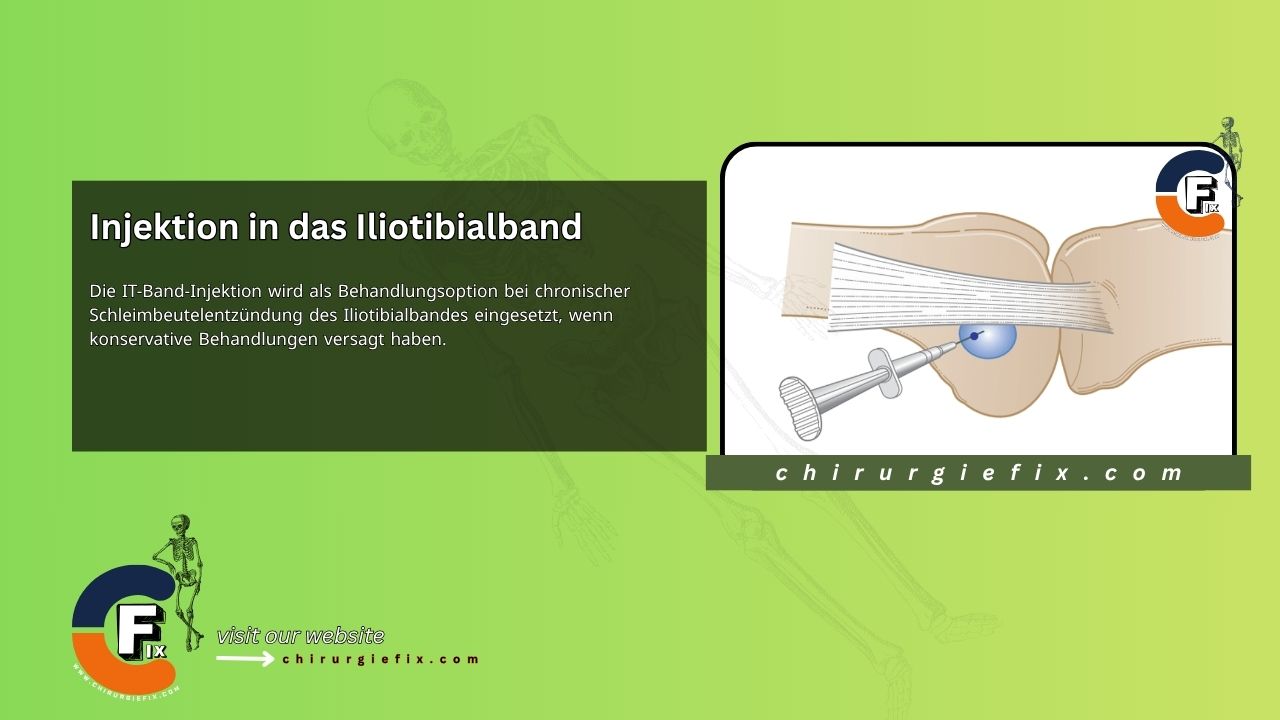
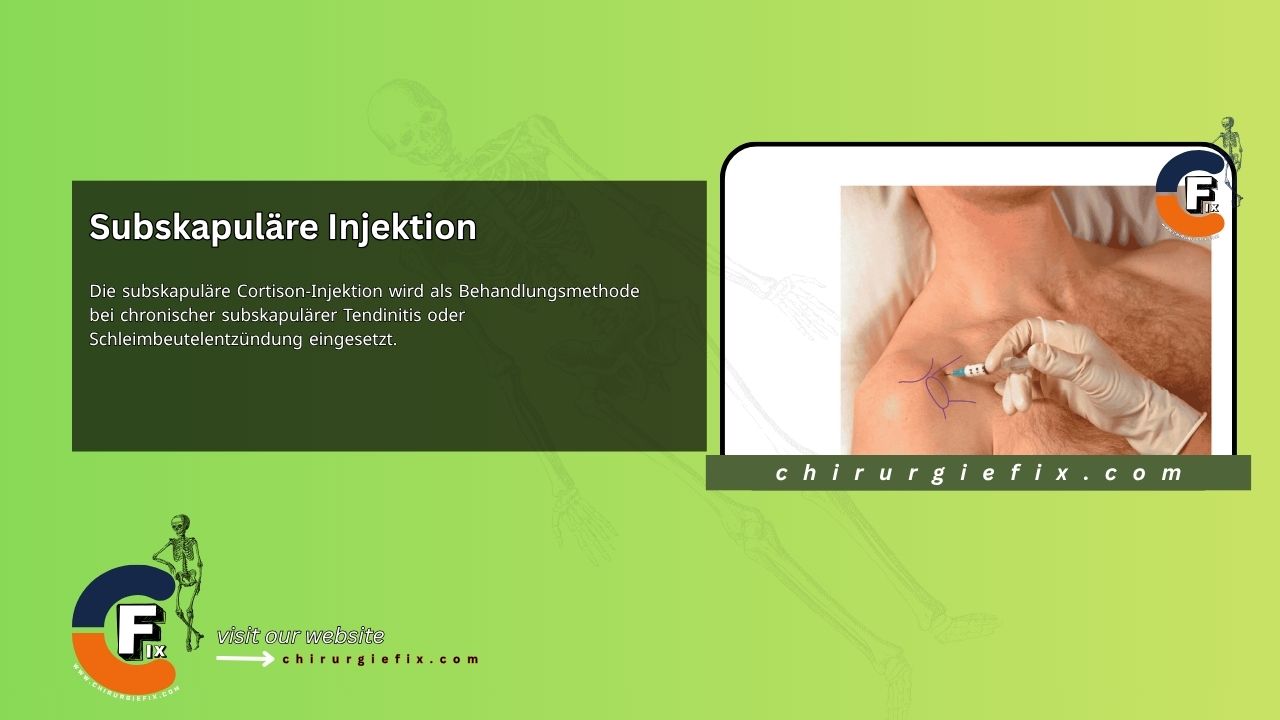
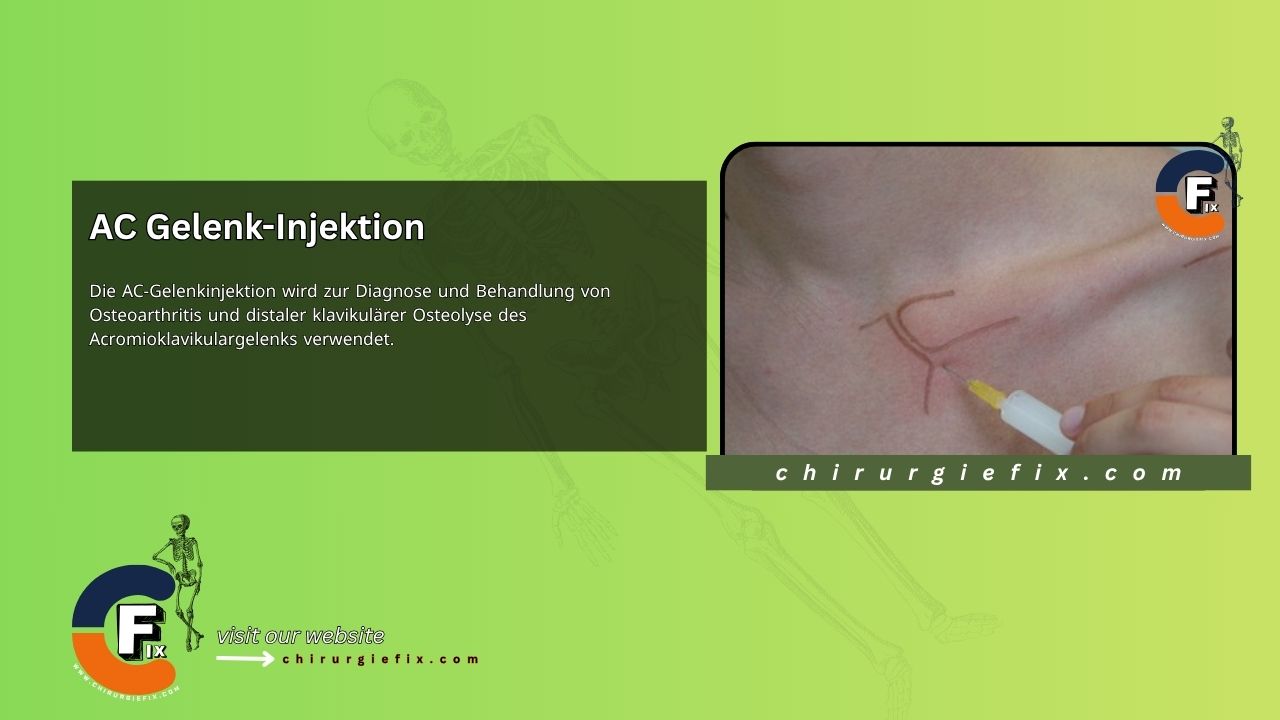
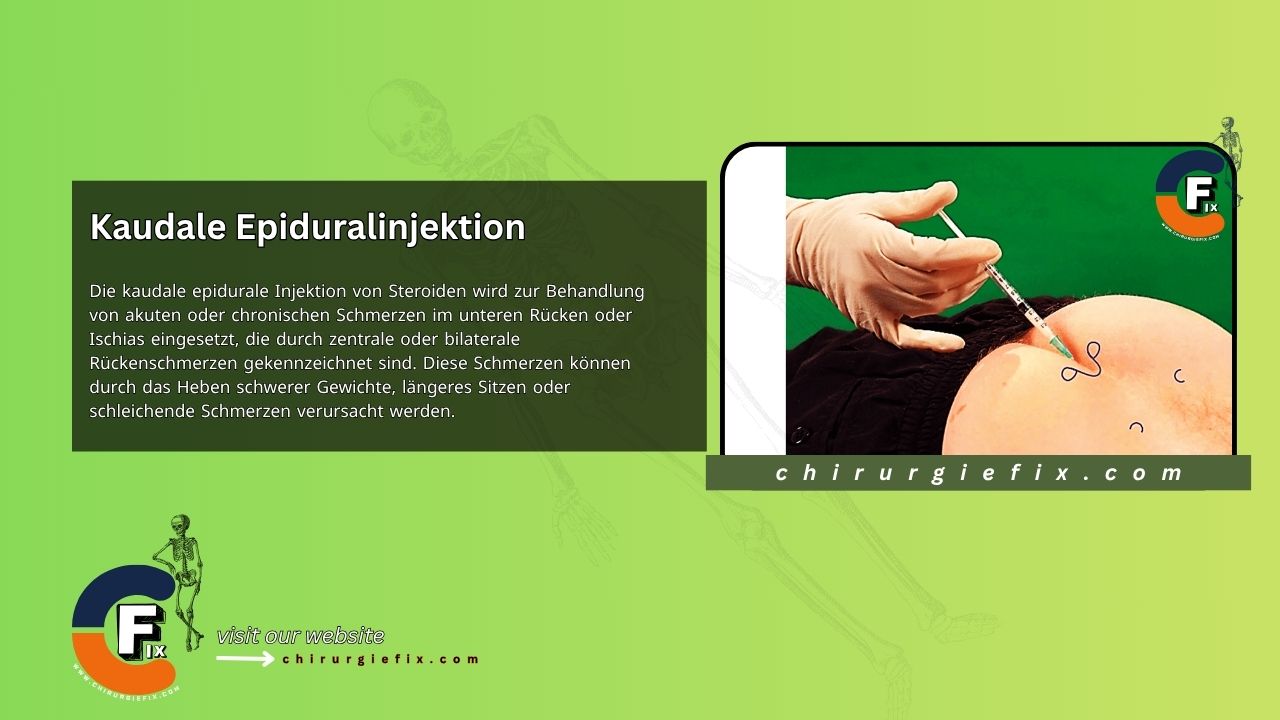
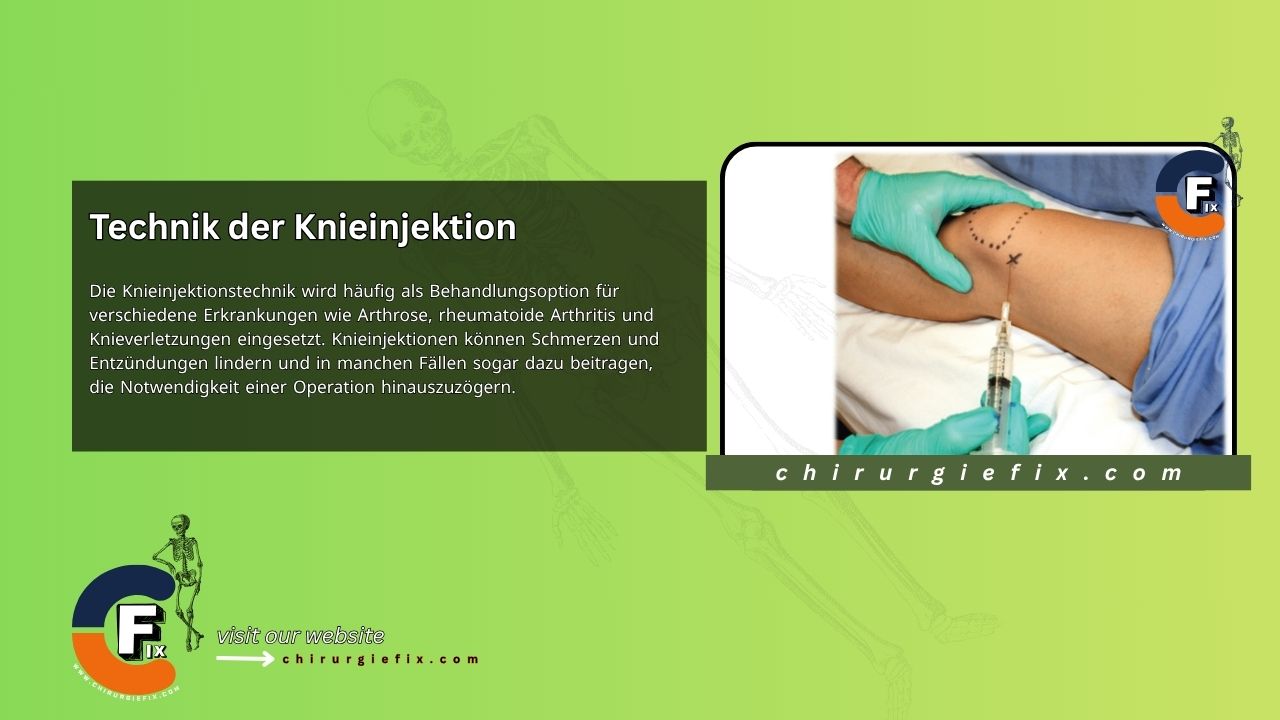
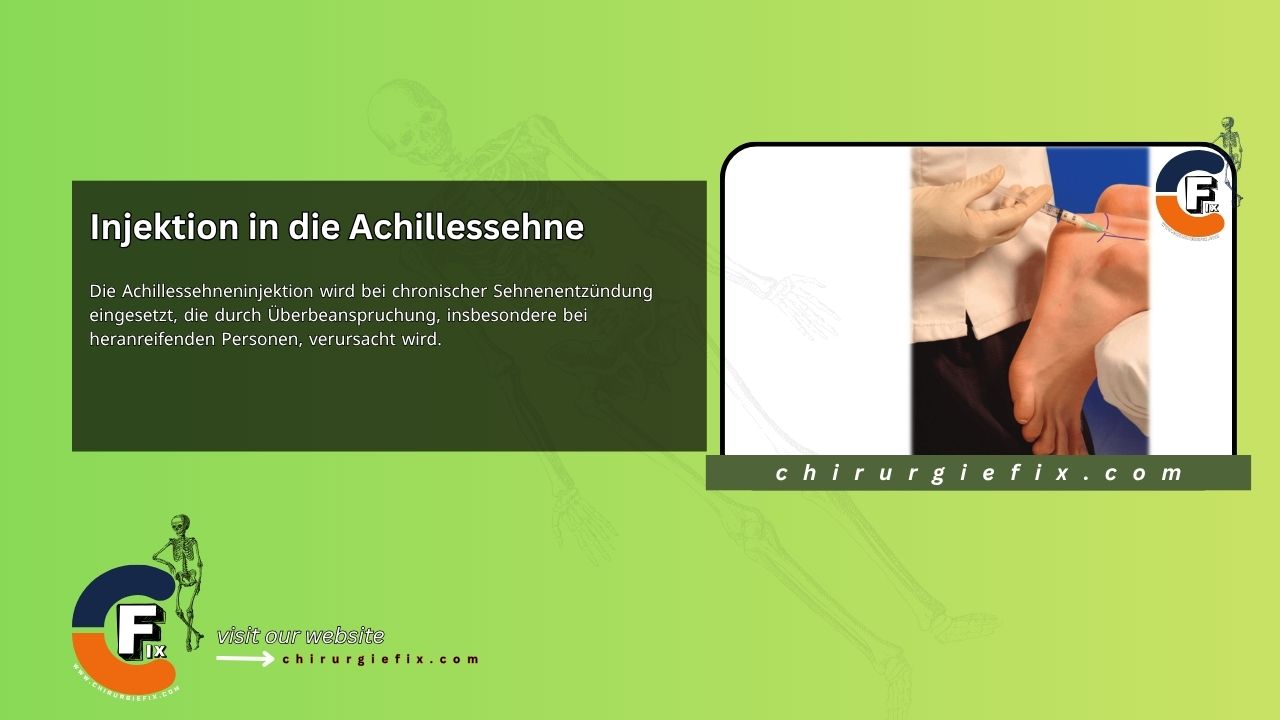
An IT band injection is a treatment option for chronic bursitis of the iliotibial band when conservative treatments have failed.
Chronic IT band bursitis is characterized by pain on the outer side of the knee, above the lateral femoral condyle. It also presents with painful resisted abduction and passive adduction of the leg. Diagnosis is typically made using the Ober test.
The iliotibial band (ITB) is a continuation of the tensor fascia lata, gluteus medius, and gluteus maximus muscles, extending distally. It runs over the vastus lateralis and inserts at Gerdy's tubercle on the lateral tibial plateau, as well as partially on the supracondylar ridge of the lateral femur.
An additional extension, known as the iliopatellar band, connects to the lateral patella and helps prevent medial patellar movement. The ITB acts as a knee extensor when the knee is flexed less than 30 degrees, but functions as a knee flexor when flexed more than 30 degrees. As the degree of flexion increases, the ITB is believed to move into a more posterior position relative to the lateral femoral epicondyle.
The bursa lies deep to the iliotibial band, just above the lateral femoral condyle, and is approximately the size of a golf ball.
After the IT band injection, absolute rest should be maintained for about 10 days, followed by a stretching and strengthening program. Footwear and running technique should be assessed and corrected if necessary.
The distal end of the iliotibial tract itself may be irritated, but the bursa is always involved as well. If both lesions are suspected, both can be infiltrated simultaneously by injecting a small amount into the tendon insertion and a bolus of the remaining fluid into the underlying bursa.
Surgical intervention is only considered for refractory cases that do not respond to non-operative treatment and IT band injection after more than 6 months. Several surgical options exist, including percutaneous or open ITB release, ITB lengthening with a Z-plasty, open ITB bursectomy, and arthroscopic ITB debridement.