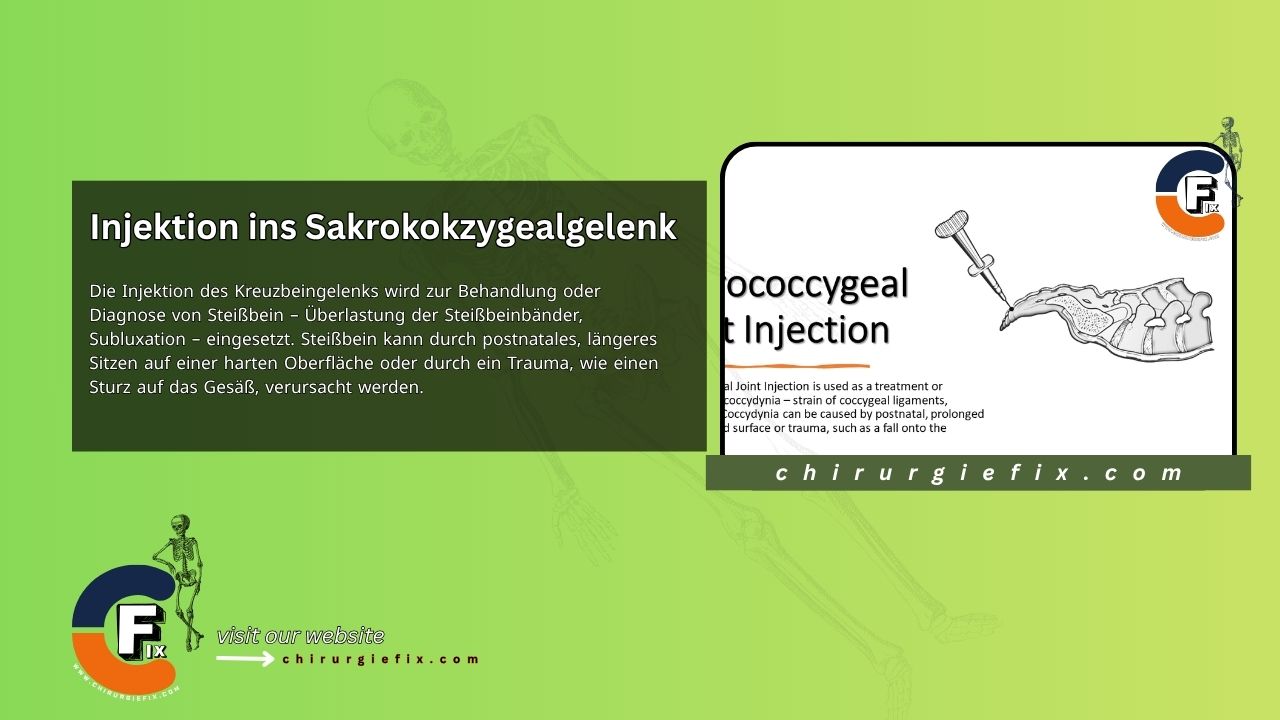
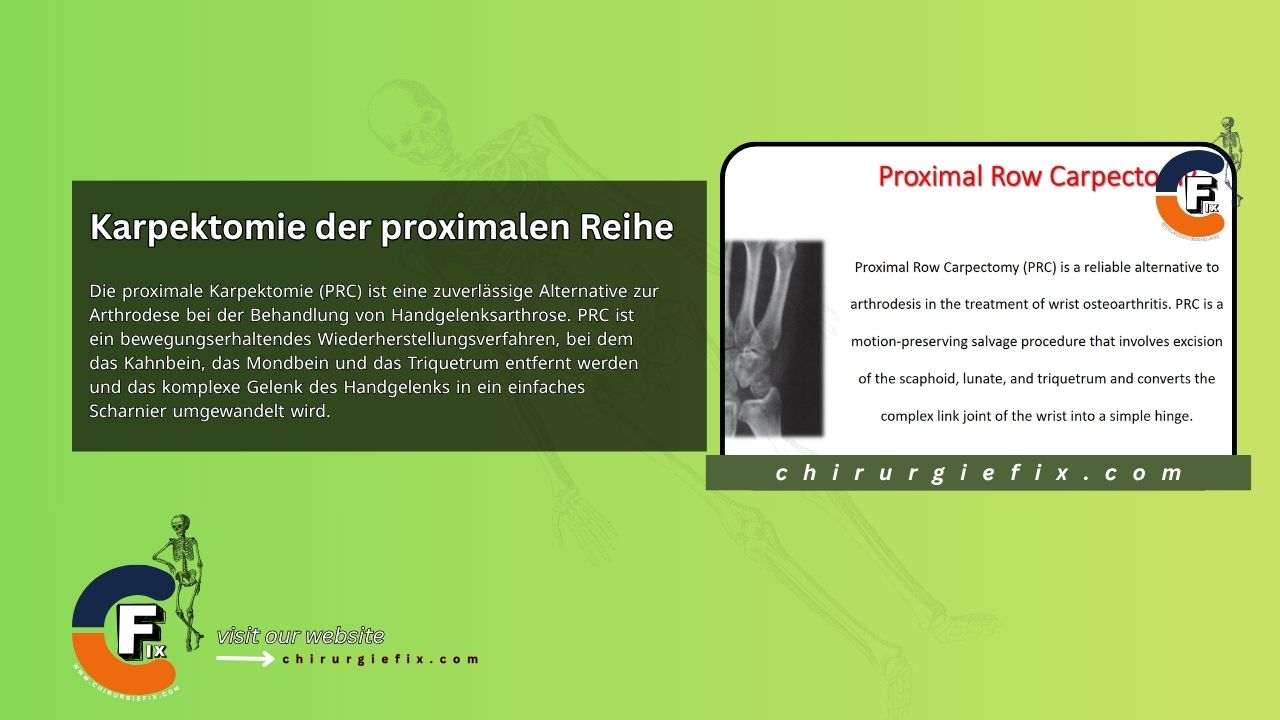
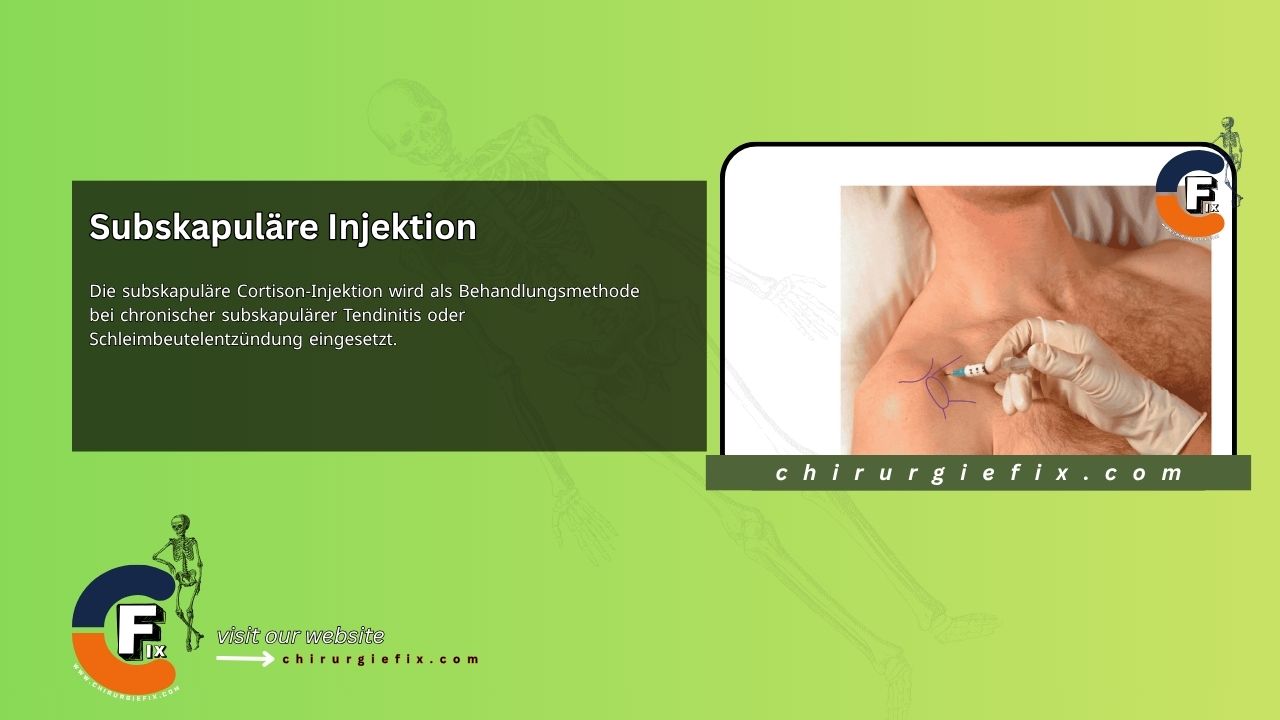
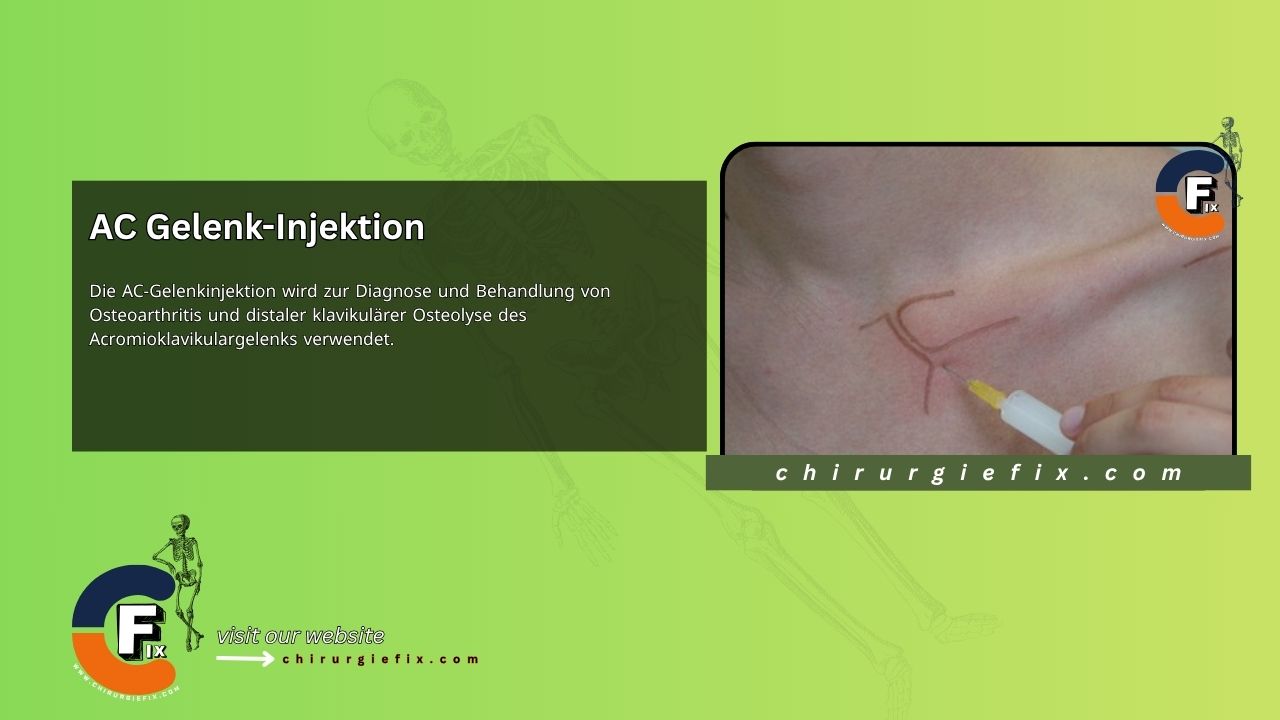
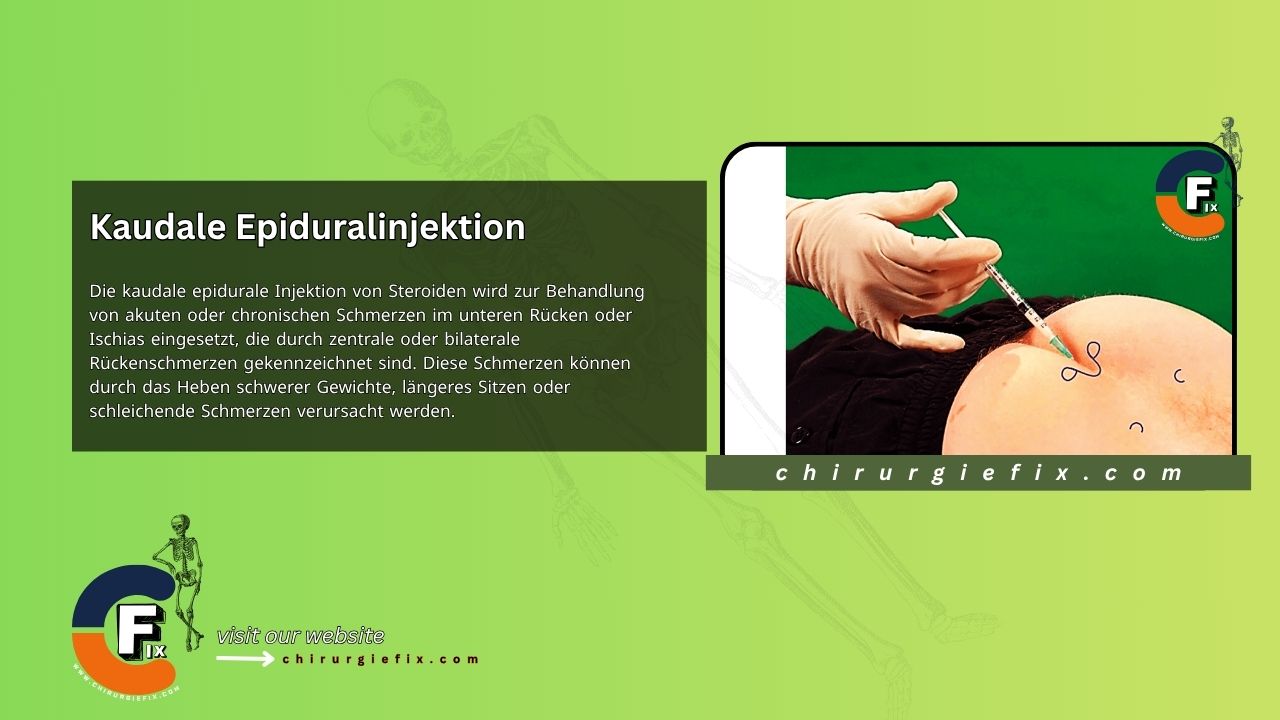
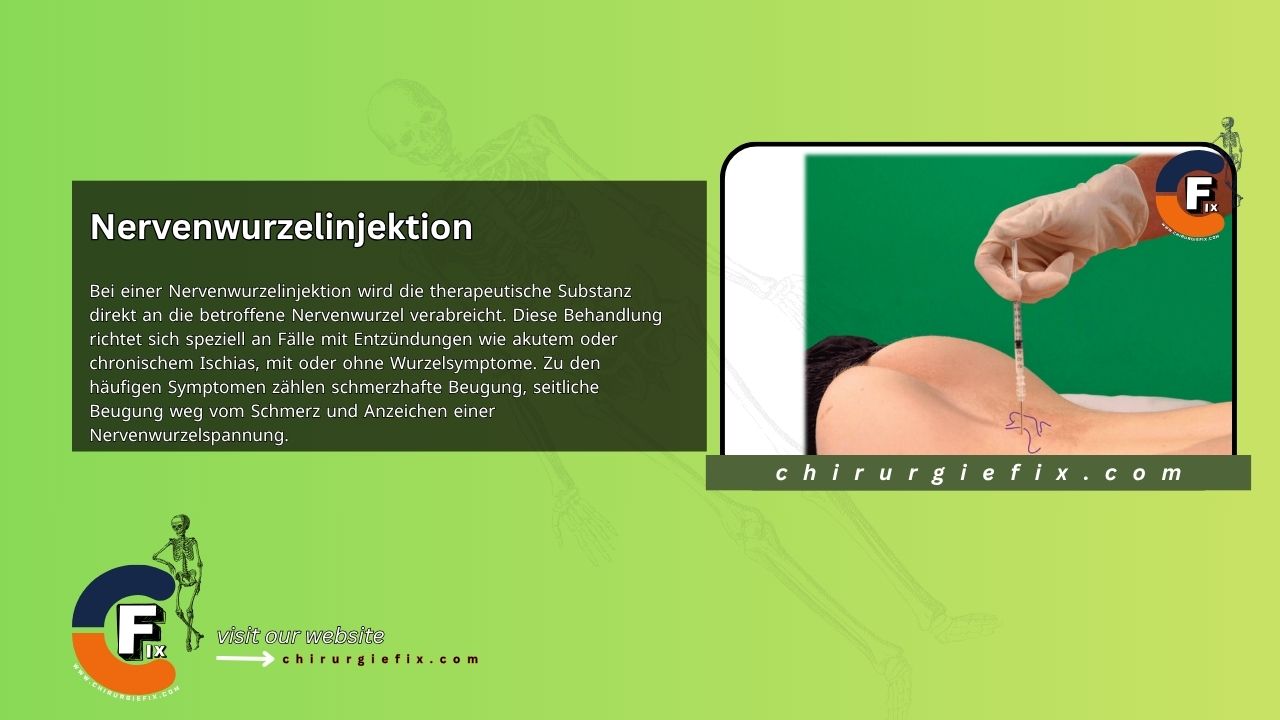
Injection into the sacrococcygeal joint is used to treat or diagnose tailbone pain caused by strain on the coccygeal ligaments or subluxation. Tailbone issues can arise after childbirth, from prolonged sitting on hard surfaces, or due to trauma such as a fall onto the buttocks.
Coccydynia is characterized by pain localized over the sacrococcygeal joint when sitting or applying pressure. Tenderness along the joint line may indicate a subluxated coccyx.
The ligaments along the sacrococcygeal joint line are typically tender to palpation and can be felt on both the dorsal and ventral surfaces. A gloved finger is used to palpate the angle of the coccyx rectally to assess for subluxation.
After the injection, the patient should avoid sitting on hard surfaces and instead use a donut cushion for seated comfort. During a follow-up visit, typically around 10 days later, manipulation of the coccyx may be needed to correct any misalignment.
The anti-inflammatory properties of the steroid make this manipulation easier and less uncomfortable. The physician inserts a gloved finger into the rectum and, with the other hand, applies a steady movement from front to back. Occasionally, an audible click may be heard, and noticeable pain relief follows within a few days.
Pain in this area can sometimes be a symptom of psychological or psychosexual distress. In such cases, appropriate treatment and counseling are necessary. For somatic pain, the protocol described tends to work either very well or not at all. Surgery is generally not indicated and is rarely successful.