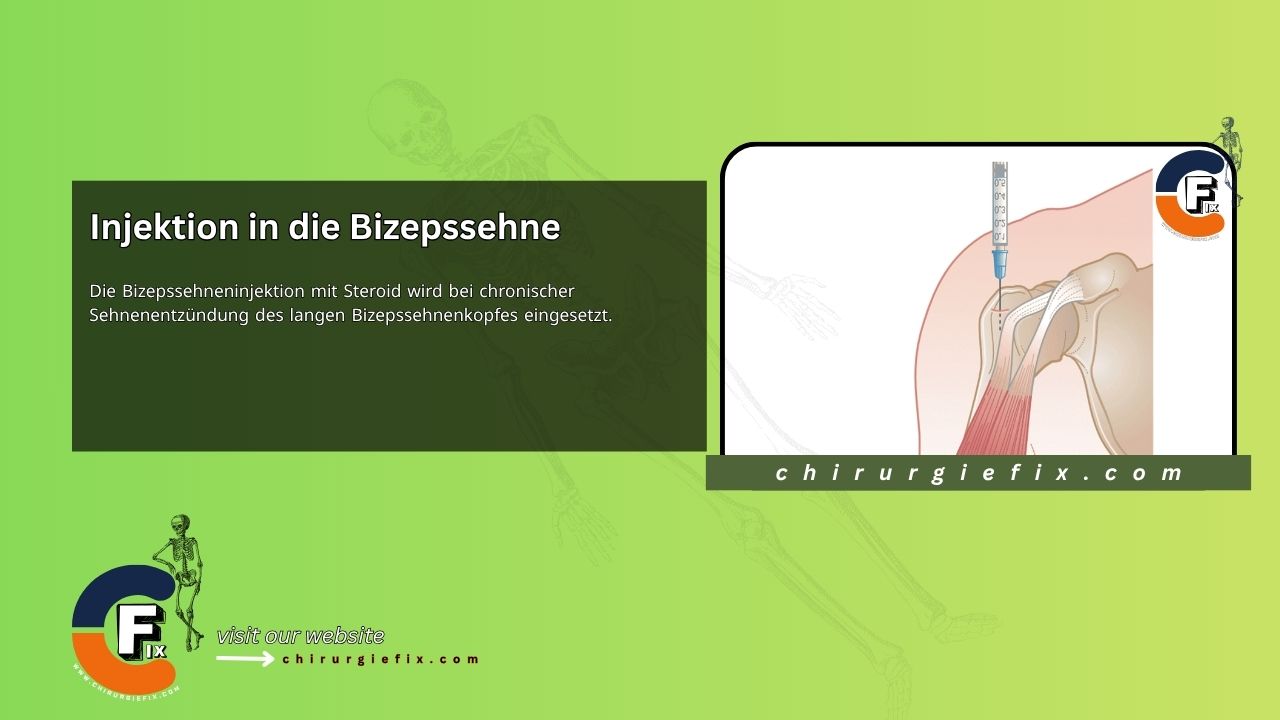
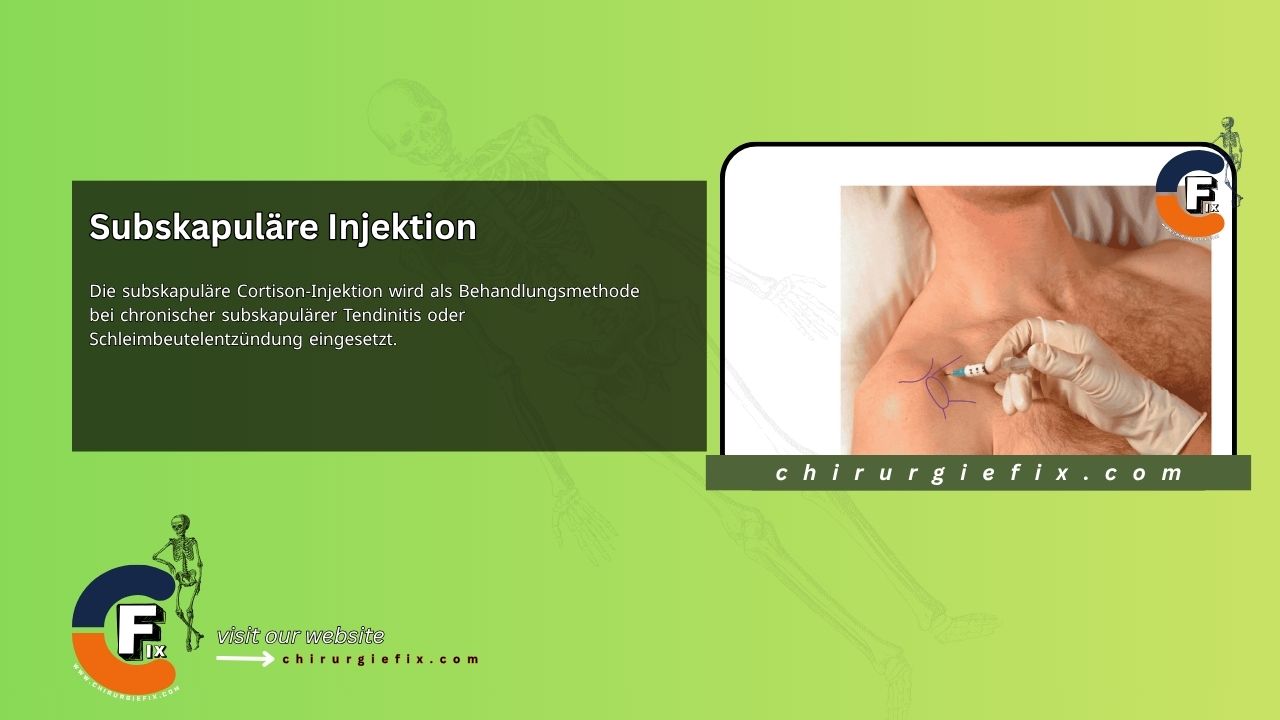
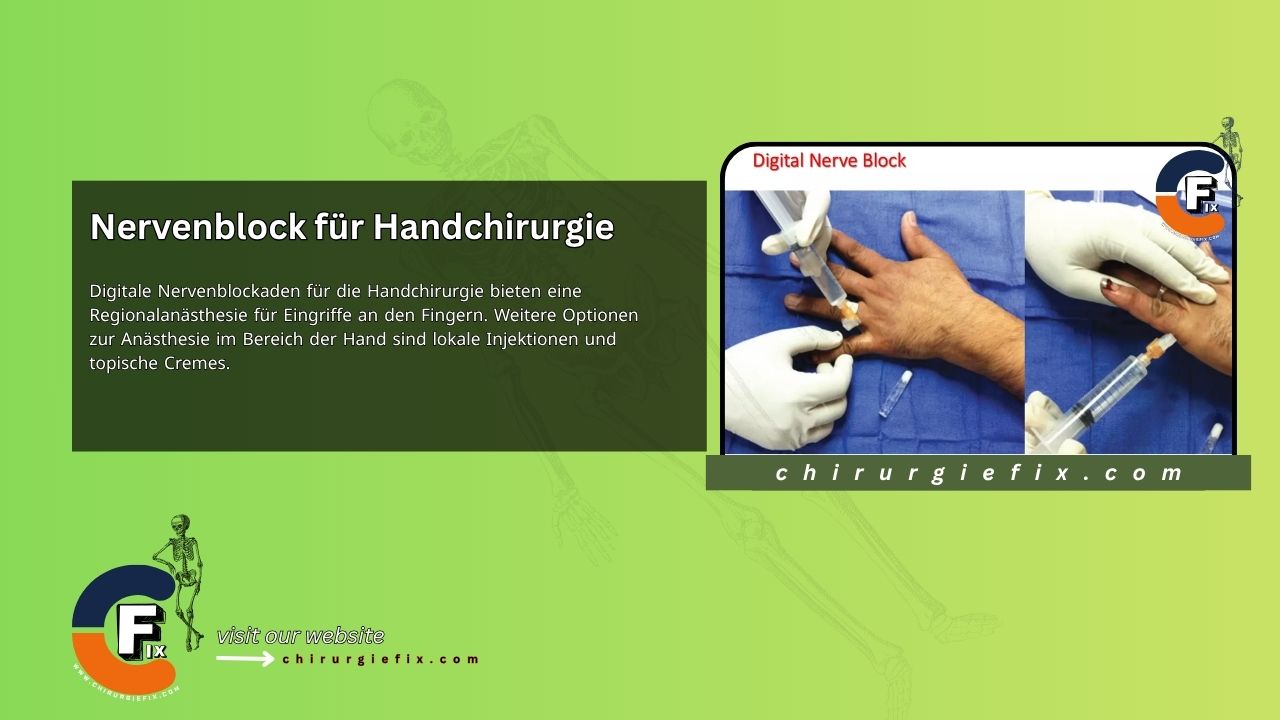
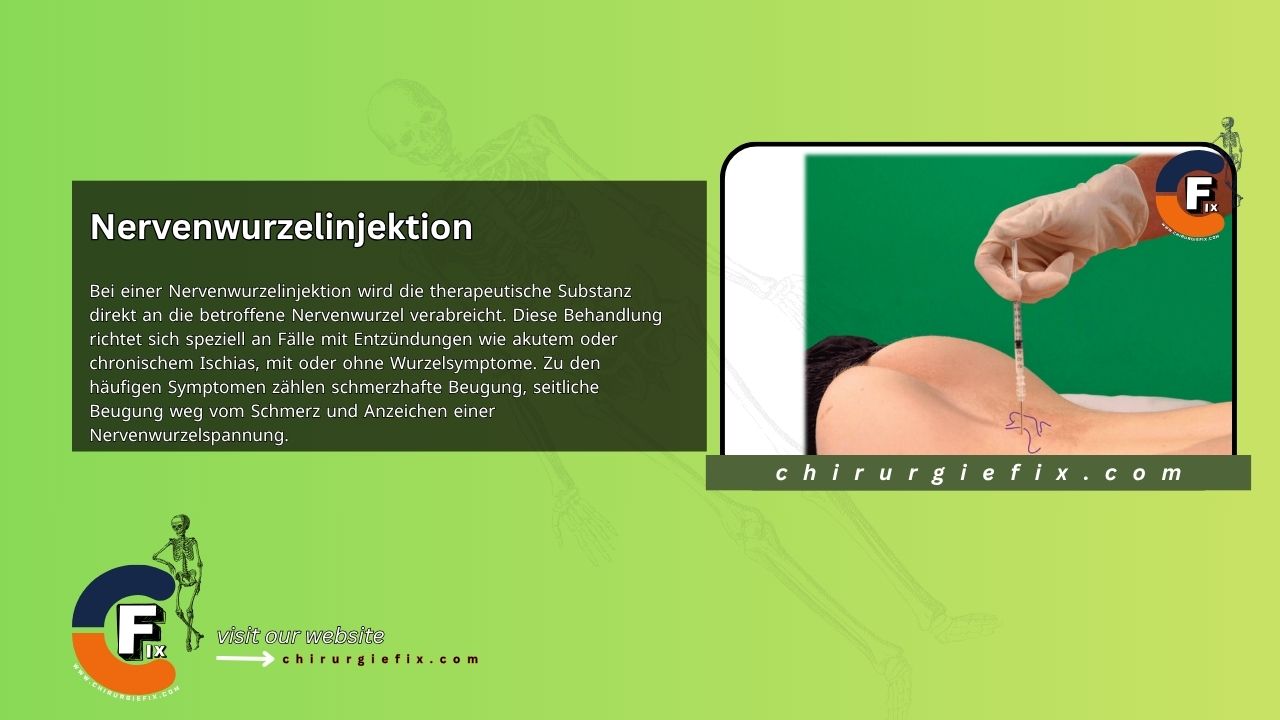
A steroid injection into the biceps tendon is used to treat chronic tendinitis of the long head of the biceps tendon.
The equipment needed for a biceps tendon injection:
The long head of the biceps lies within a sheath in the bicipital groove, located between the greater and lesser tubercles. It can be palpated by having the patient tense the muscle while the examiner’s finger is placed in the groove.
Recommend relative rest for about one week, then address the underlying causes of the lesion and focus on strengthening the rotator cuff.
Little to no resistance should be felt when injecting the fluid. This condition is commonly diagnosed but, in our experience, is actually quite rare. Palpation of a normally sensitive area can lead to a misdiagnosis of this tendinitis, as the pain may actually originate from the cervical spine, the shoulder joint, or a rotator cuff lesion. If sudden pain occurs during flexion, a noticeable bulge in the middle arm muscle may form, indicating a rupture of the long head of the biceps. Once the pain subsides, the patient is usually functional again, as the short head of the biceps is sufficient to handle flexion activities.
Possible complications include: