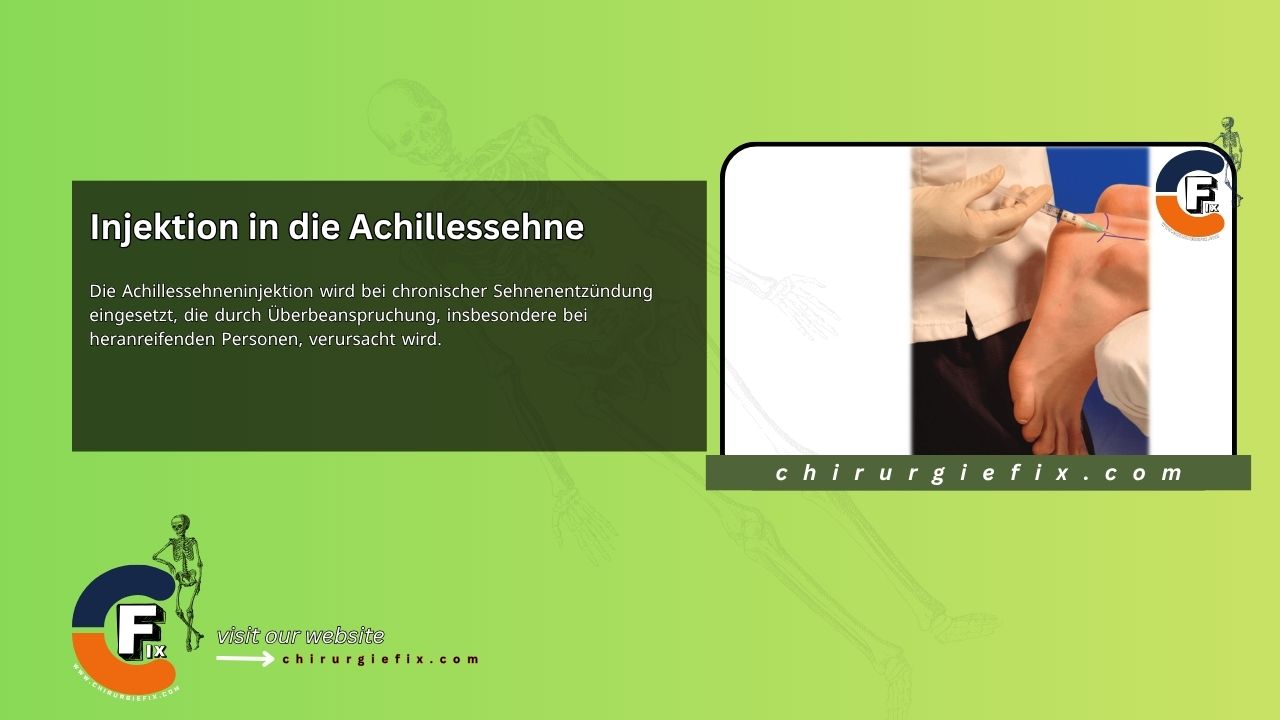
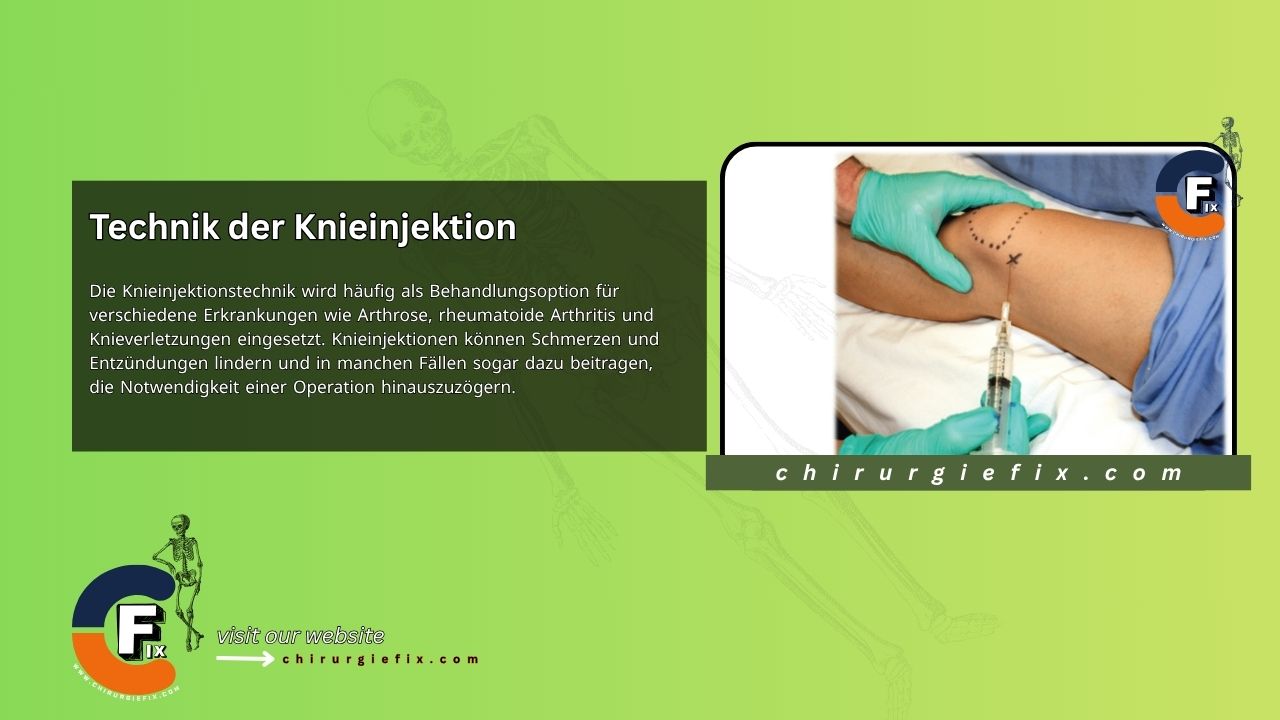
Achilles tendon injections are used to treat chronic tendinopathy caused by overuse, particularly in active individuals. This condition is characterized by pain in the back of the ankle, on either side of the tendon. Symptoms include painful plantarflexion against resistance, difficulty standing on one foot, or pain during full dorsiflexion.
The Achilles tendon is the large, dense tendon at the end of the gastrocnemius muscle, inserting into the posterior surface of the calcaneus (heel bone). Pathology most commonly affects the mid-portion of the tendon.
Differential diagnoses for Achilles tendon pain include Achilles tendinitis, S1 nerve root irritation, early-stage ankylosing spondylitis, and gout.
After an Achilles tendon injection, it is essential to avoid any overuse of the tendon until pain-free. For dedicated athletes, or if significant degenerative changes are noted on examination, a conservative physiotherapy approach is recommended. This may include an eccentric exercise program, a glyceryl trinitrate patch, taping, orthotics, deep friction massage, and/or electrotherapy. Retraining in the causative activity is usually necessary.
It is absolutely contraindicated to infiltrate the tendon body itself. The Achilles is a large, weight-bearing tendon with a relatively poor blood supply and a known propensity for rupture.
While there are reports of tendon rupture following Achilles tendon injection, this is most often due to repeated high-dose, high-volume bolus injections into a degenerated tendon, followed by excessive post-injection physical activity. Because of this known risk, we recommend always scanning the tendon before injection to assess the extent of any degeneration.
Tears and degenerative changes within the tendon substance are absolute contraindications for an Achilles tendon injection. This challenging condition can be frustrating for both patients and clinicians.