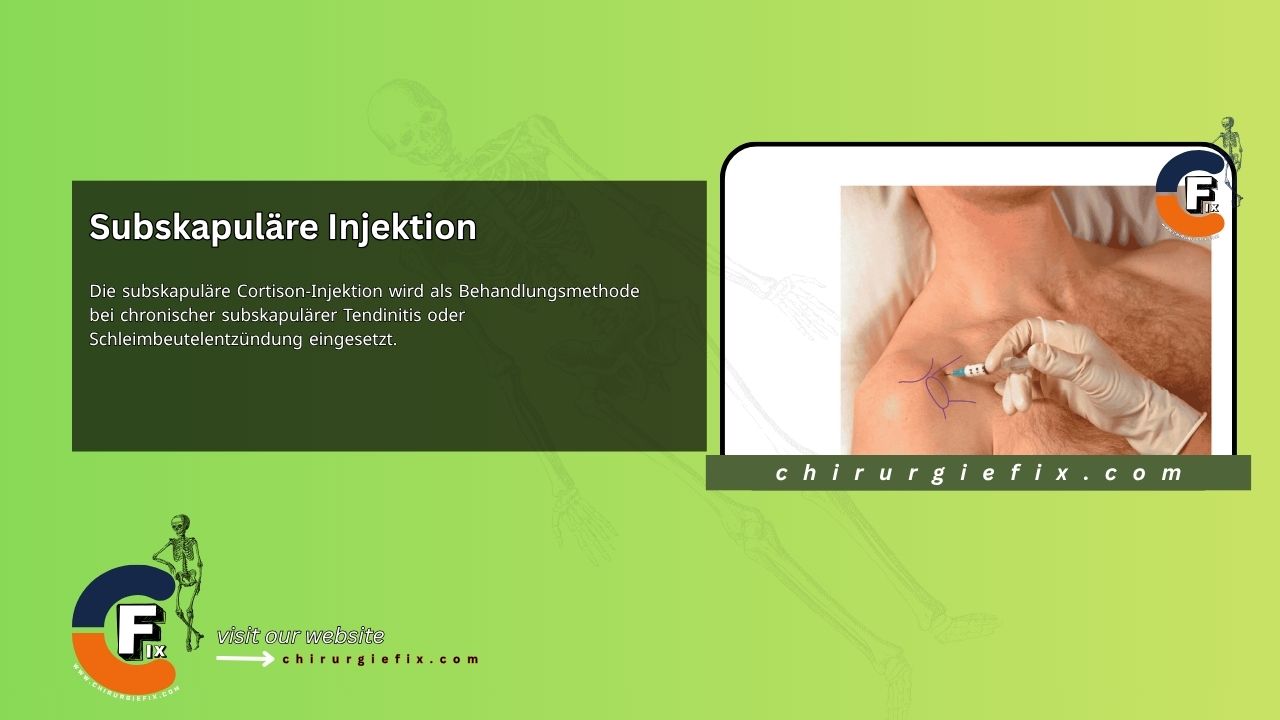
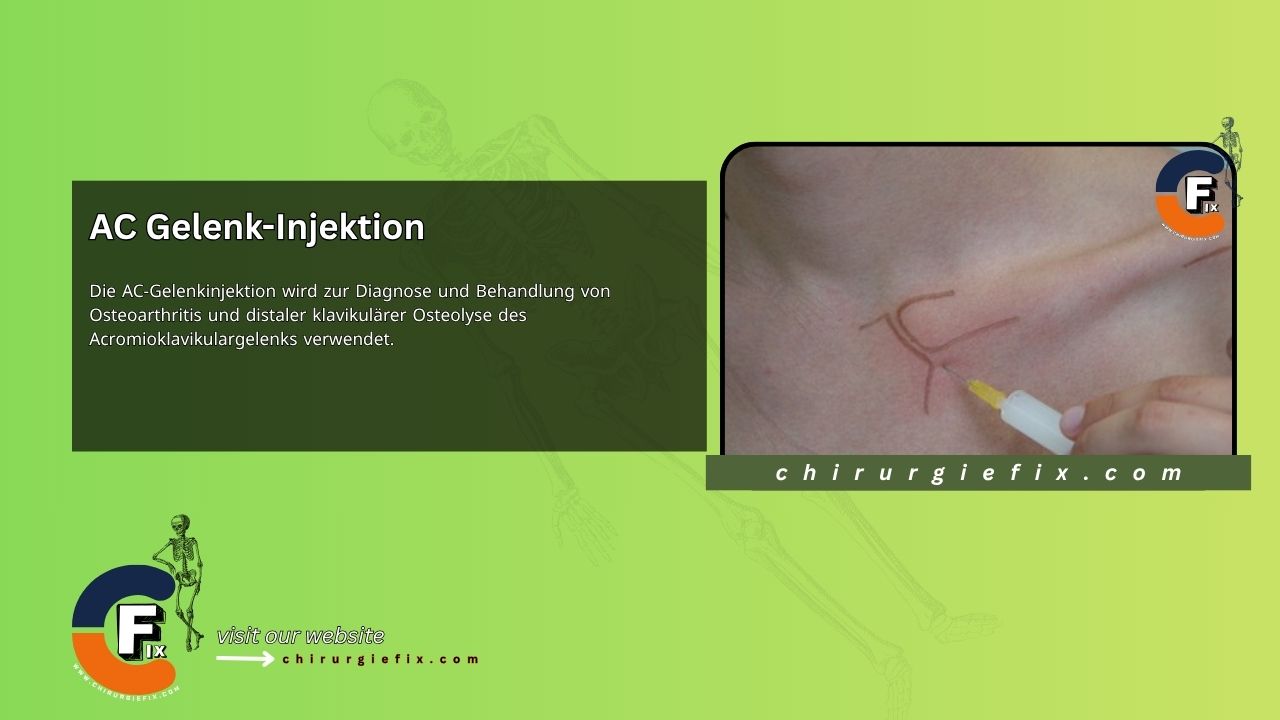
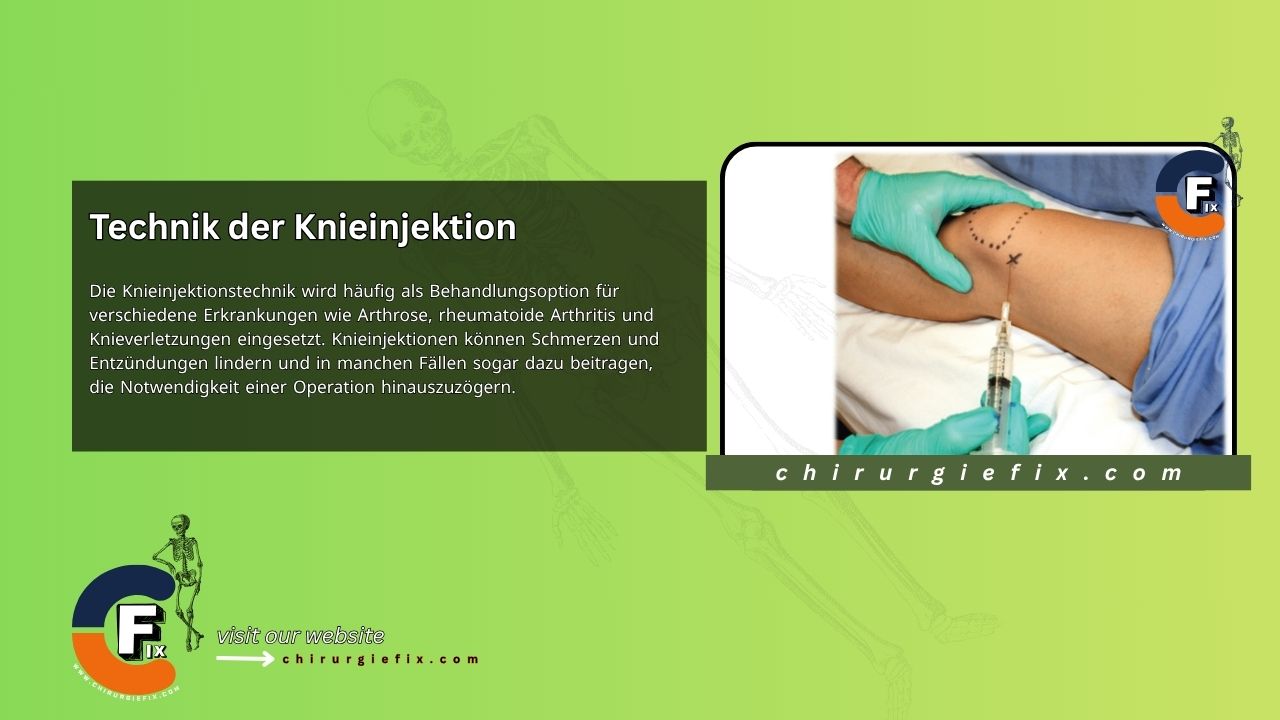
A subscapular cortisone injection is a treatment used for chronic subscapular tendinitis or bursitis. This guide covers the necessary equipment, relevant anatomy, technique, and aftercare for this procedure.
The subscapularis tendon attaches to the medial border of the lesser tubercle of the humerus. At its teno-osseous junction, it is about two finger-breadths wide. The tendon is a thin, fibrous structure that feels bony on palpation. The subscapular bursa lies deep to the tendon, in front of the scapular neck, and usually communicates with the shoulder joint capsule. It is invariably very tender to palpation, even when not inflamed.
Rest is recommended for one week. Begin a progressive stretching and strengthening program for the rotator cuff once the patient is pain-free. If the injury is due to sports overuse, the underlying cause should also be addressed.
Subscapular bursitis and tendinitis are often difficult to distinguish. The bursa is involved when pain on the impingement test is greater than that on resisted medial rotation, and when palpation tenderness is more pronounced than usual. If both the bursa and tendon are inflamed, they can be infiltrated simultaneously by first passing through the tendon and then continuing to infiltrate the bursa. The total dose is increased to 30 mg in a total volume of 3 ml.