Surgery for tennis elbow

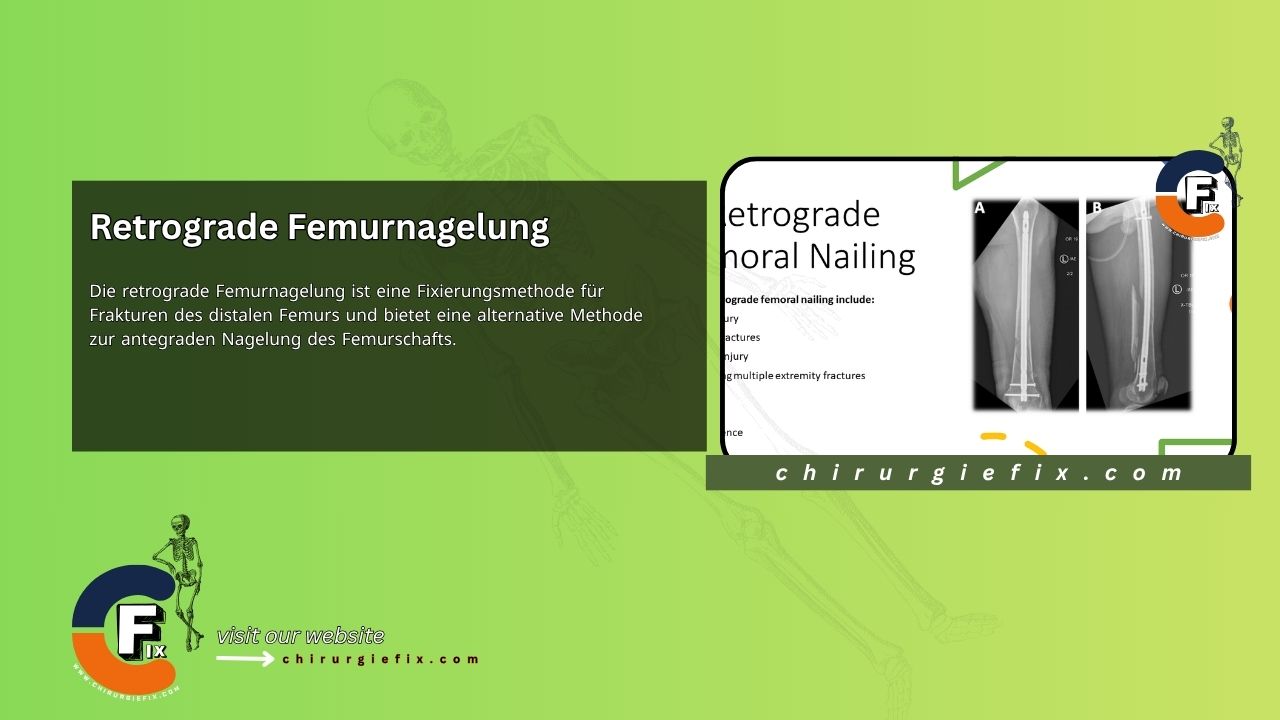
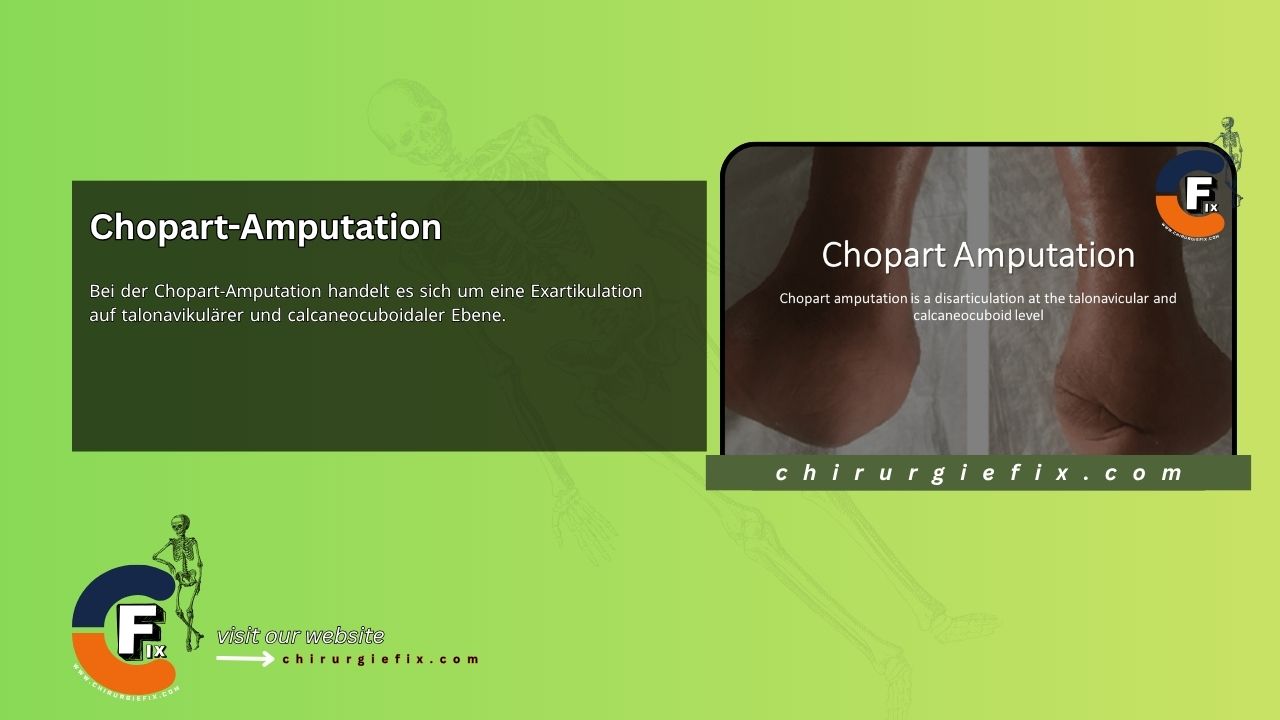
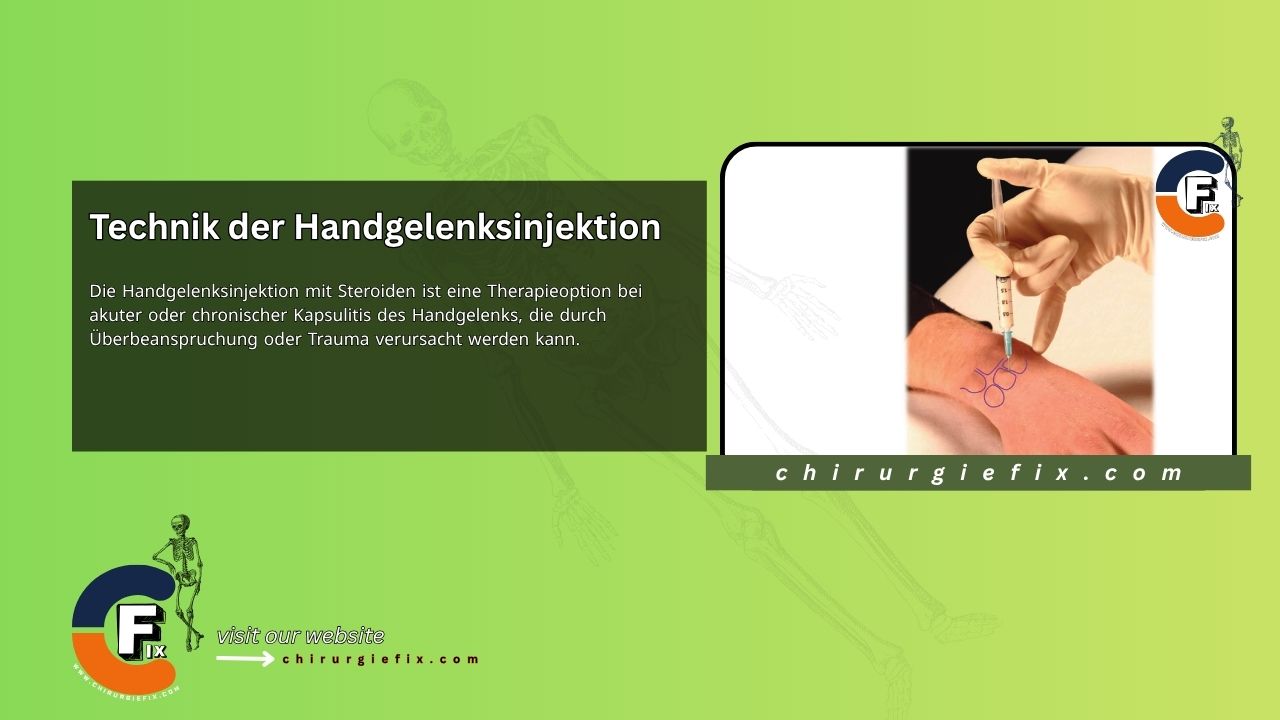
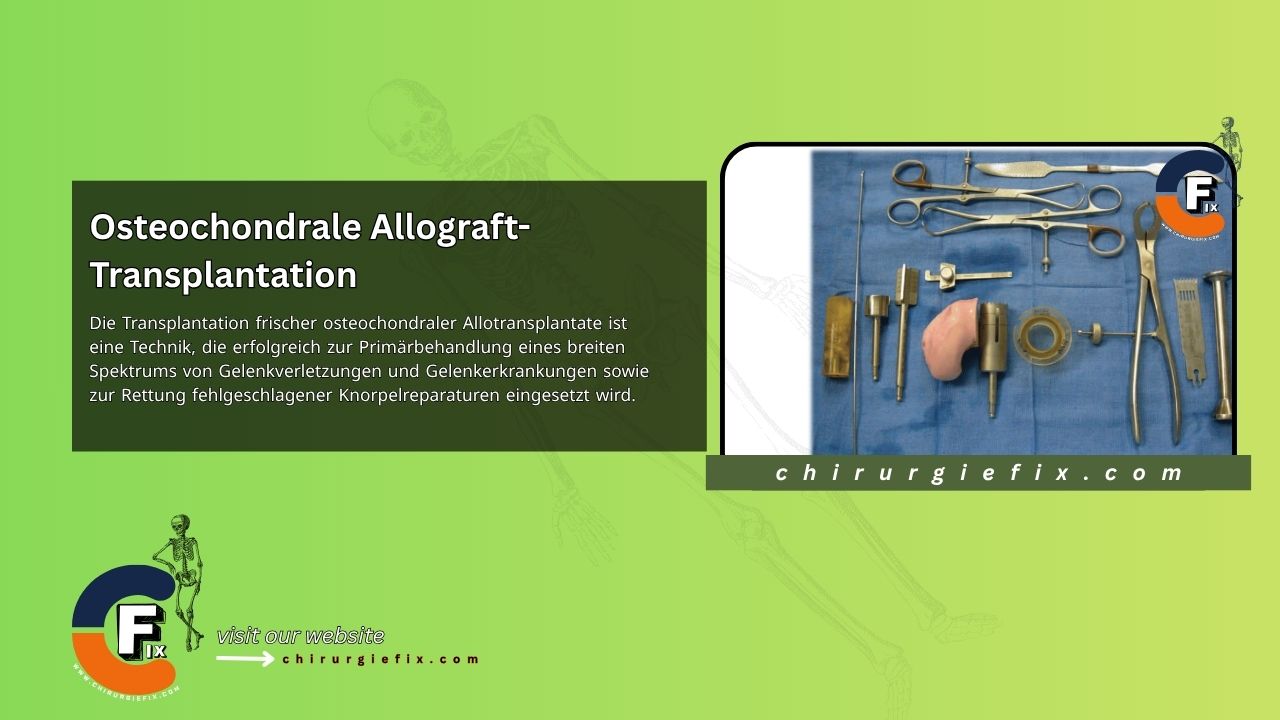
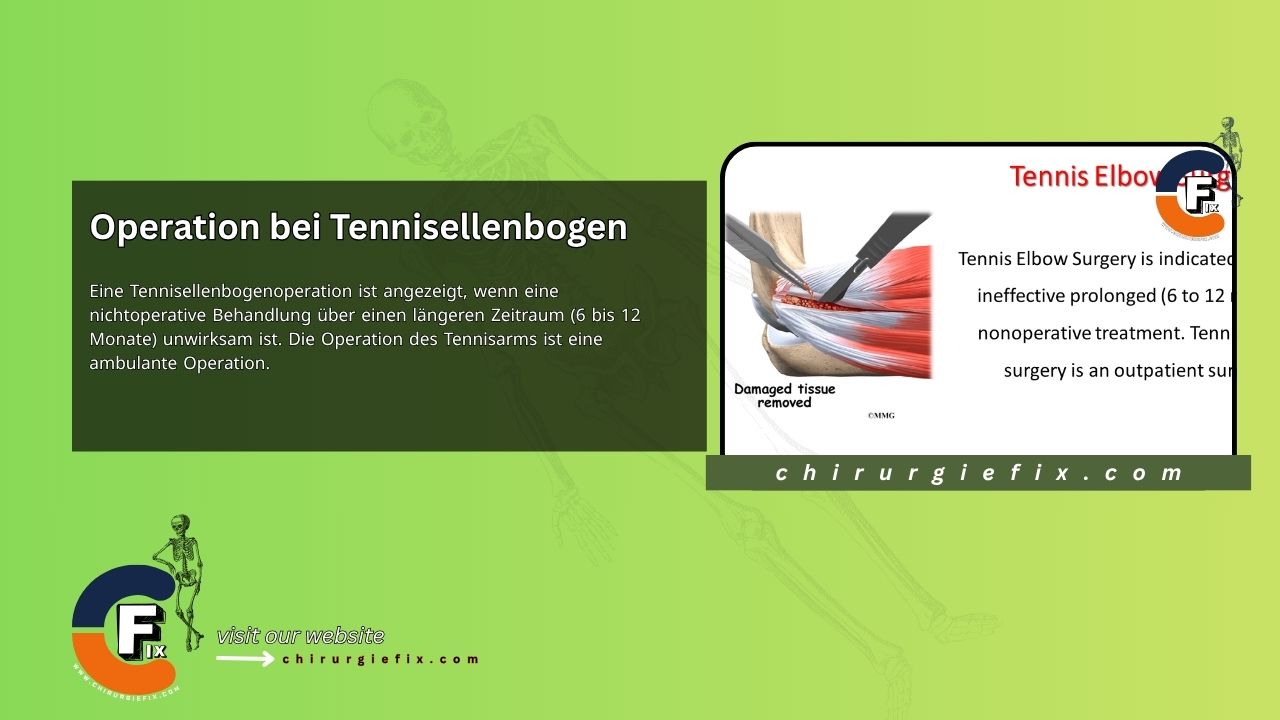
Surgery for tennis elbow is typically considered when non-surgical treatments have been ineffective for an extended period, usually between 6 and 12 months. This procedure is performed on an outpatient basis.

Tennis elbow is the most common cause of lateral elbow pain. It is characterized by pain near the lateral epicondyle, which is aggravated by the contraction of the extensor muscles, especially when gripping an object. This condition frequently affects adults of working age and can significantly impact an individual's ability to work, perform daily activities, and participate in sports.

Surgical Steps for Tennis Elbow

  • Create a gently curved incision, about 5 cm long, directly over the lateral epicondyle.
  • Cut through the deep fascia along the same line as the skin incision and retract it gently. Identify the extensor carpi radialis longus muscle and the origin of the extensor digitorum communis muscle, which partially obscures the deeper origin of the extensor carpi radialis brevis muscle.
  • Elevate the brevis portion of the common tendon from the center of the lateral epicondyle toward the elbow joint.
  • Identify and remove any diseased tissue that appears abnormal, such as fibrillated or discolored tissue with calcium deposits. This should be done while preserving the normal-appearing Sharpey's fibers that have been elevated.
  • In some cases, the pathology may have spread to the origin of the extensor digitorum communis. In this instance, a portion of it may also be removed. It is not necessary to enter the joint itself unless a preoperative assessment indicates intra-articular issues such as loose bodies, degenerative joint disease, effusions, or synovial thickening.
  • Use a rongeur or osteotome to decorticate a small area of the lateral epicondyle, ensuring the joint is not entered and the articular cartilage remains undamaged.
  • Secure the remaining normal tendon to the fascia or periosteum. This can be done by suturing it through drill holes in the epicondyle or by using non-absorbable sutures. While suture anchors can be used successfully, they are not considered necessary.
  • Close the gap between the extensor carpi radialis longus and extensor digitorum communis muscles with absorbable sutures. This step covers the knots used for the extensor carpi radialis brevis repair to the bone if anchors were used.
  • Close the skin incision with absorbable 4-0 sutures and adhesive strips.

Post-Operative Care

  • The splint is typically removed within the first week after surgery, and range-of-motion exercises are initiated.
  • Once the wound has healed (approximately 10 to 14 days), therapy continues with edema control and range-of-motion exercises, followed by strengthening exercises.
  • Strenuous activities can usually be resumed within pain limits in 8 to 10 weeks, with full function expected to return in about 3 months.
  • The rehabilitation protocol is goal-dependent rather than time-dependent. Patients progress from one phase to the next after achieving specific milestones.

A systematic review suggests that tennis elbow surgery may not be more effective than non-surgical or sham interventions for patients who have already undergone conservative treatment.

References and Further Reading

  1. Mercer's Textbook of Orthopaedics and Trauma, Tenth Edition.
  2. Bateman M, Littlewood C, Rawson B, Tambe AA. Surgery for tennis elbow: a systematic review. Shoulder Elbow. 2019 Feb;11(1):35-44. doi: 10.1177/1758573217745041. Epub 2017 Dec 11. PMID: 30719096; PMCID: PMC6348580.

Still to read...