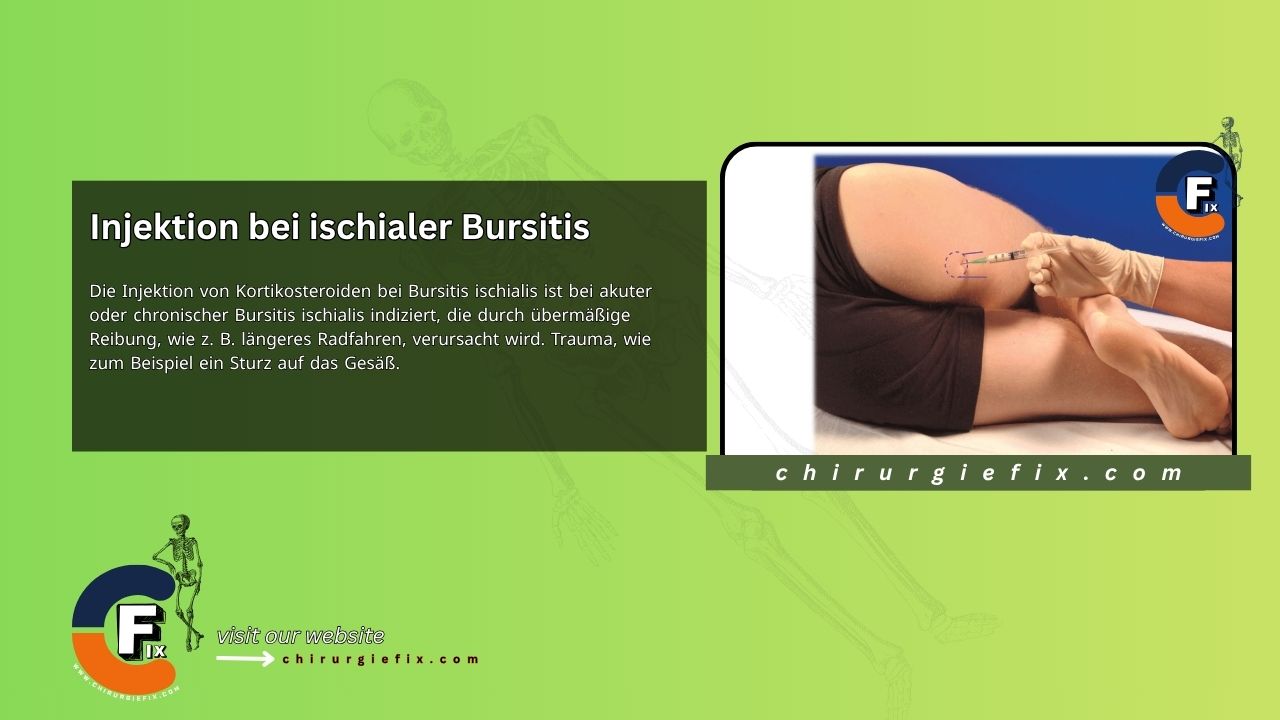
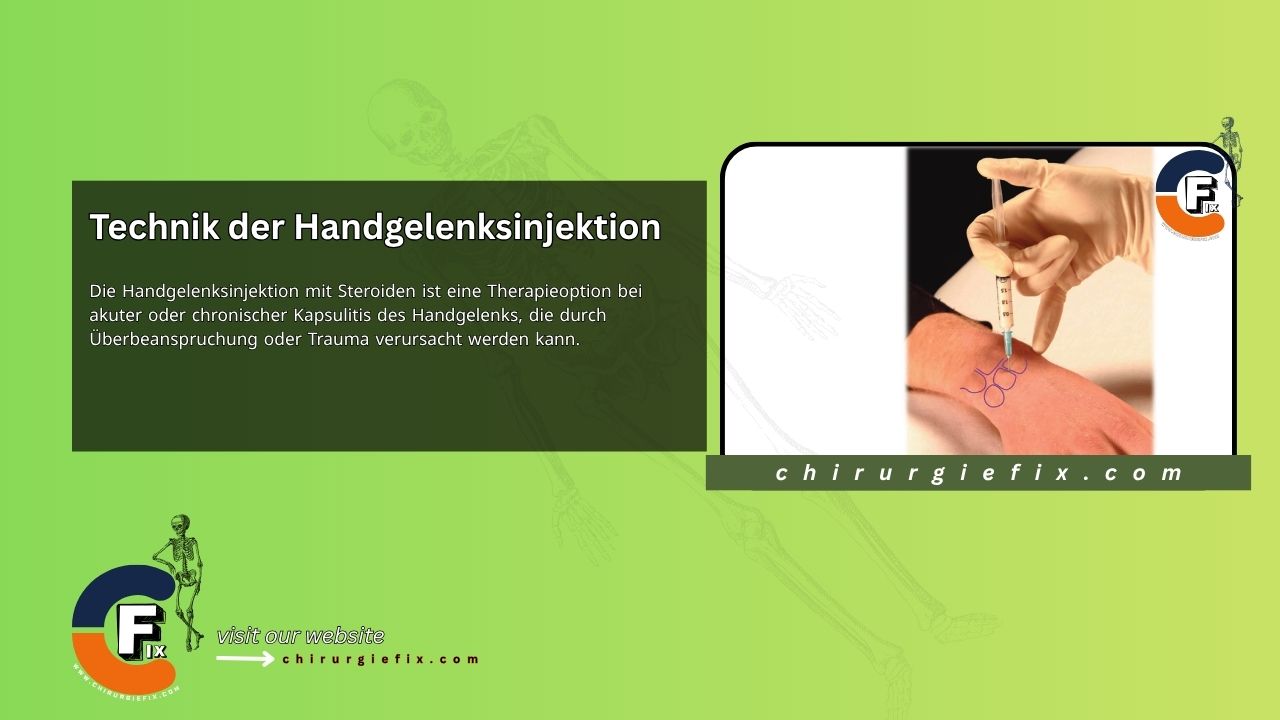
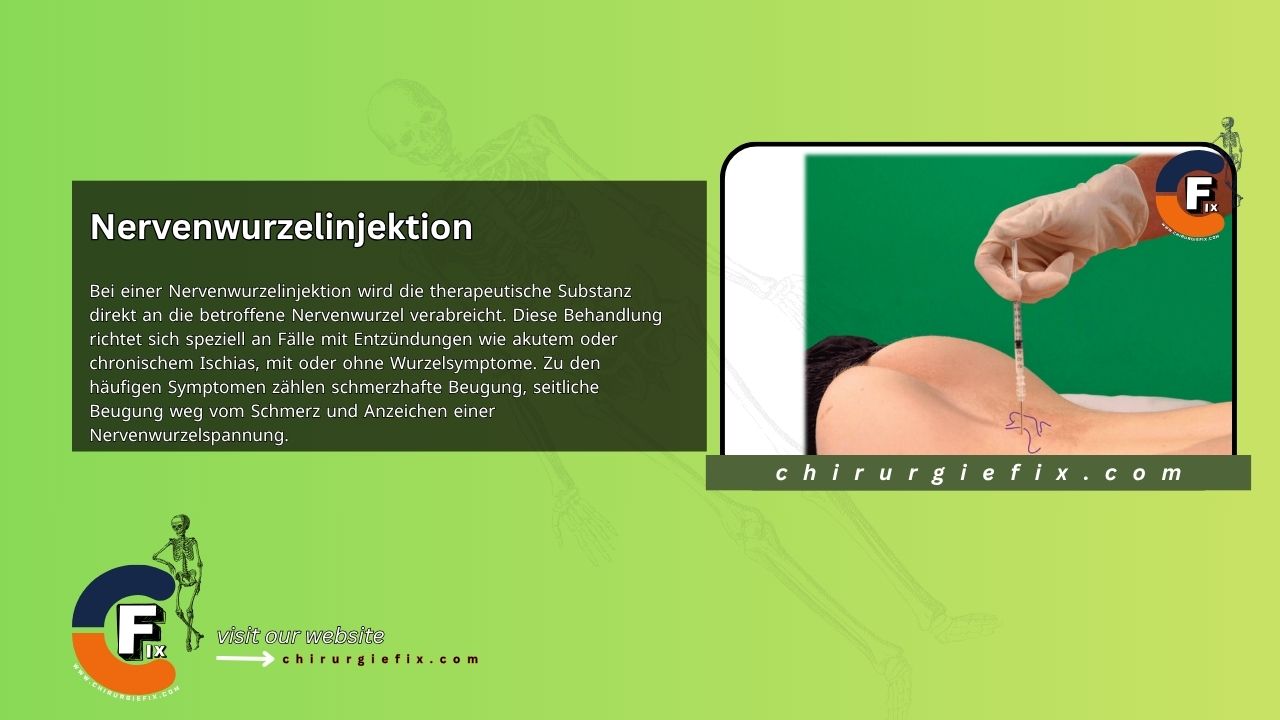
Corticosteroid injection for ischial bursitis is indicated in cases of acute or chronic inflammation caused by excessive friction—such as prolonged cycling—or trauma, like a fall onto the buttocks. This condition is characterized by pain in the buttock over the ischial tuberosity, painful resisted hip extension, and discomfort during passive straight leg raise.
The hamstring tendons share a common origin at the ischial tuberosity, spanning approximately three finger-breadths at this site. The ischial bursa lies between the gluteus maximus muscle and the bone of the ischial tuberosity, situated just below the tendon.
Avoid aggravating activities such as prolonged sitting on hard surfaces or extended running until pain subsides. Afterward, a gradual stretching and strengthening program can be introduced.
Bursitis may occur concurrently at this site, in which case a larger volume is used to infiltrate both lesions. It can be challenging to distinguish between the two conditions, but if the tuberosity is extremely tender and there is a history of a fall onto the buttock, bursitis should be suspected. Occasionally, hemorrhagic bursitis may result from a severe fall; in such cases, blood is aspirated before infiltration.
Ultrasound-guided injections into the ischial bursa are technically feasible. Flexing the hip to 90° increases the distance between the ischial tuberosity and the sciatic nerve in asymptomatic individuals, potentially allowing for safer needle guidance when injections into the ischial bursa are clinically indicated. Further clinical studies are needed to validate these findings.