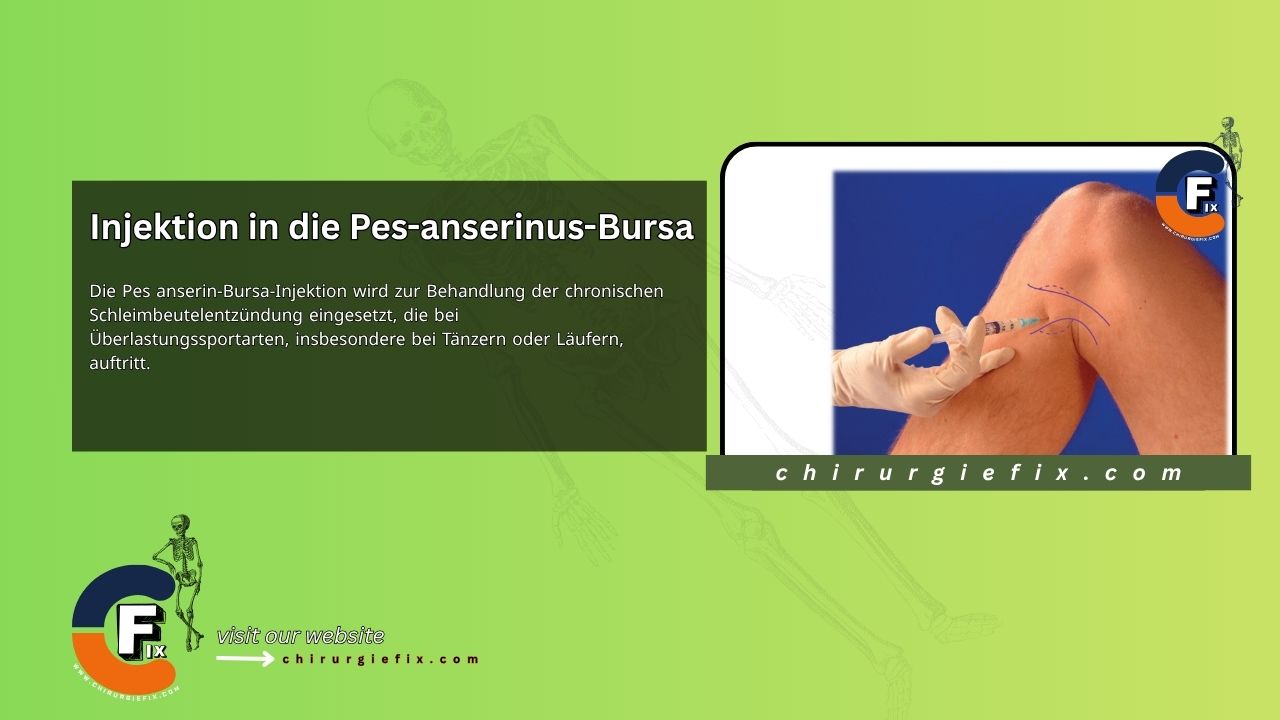
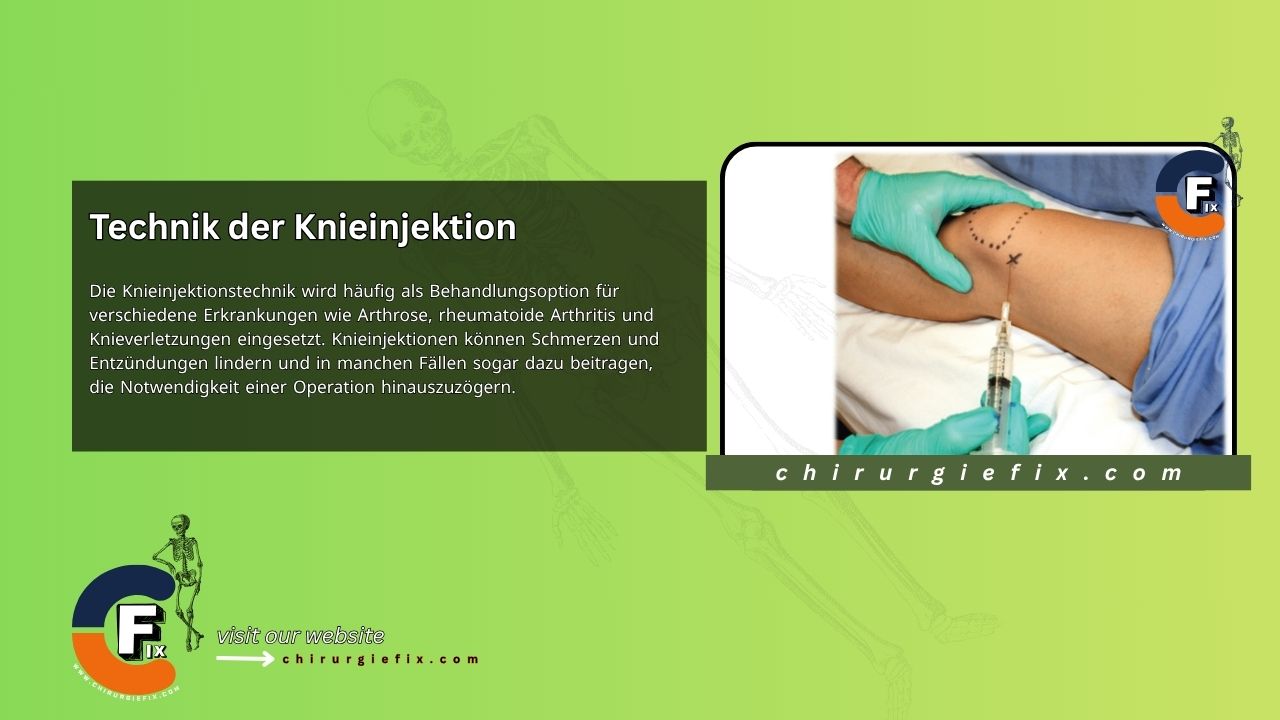
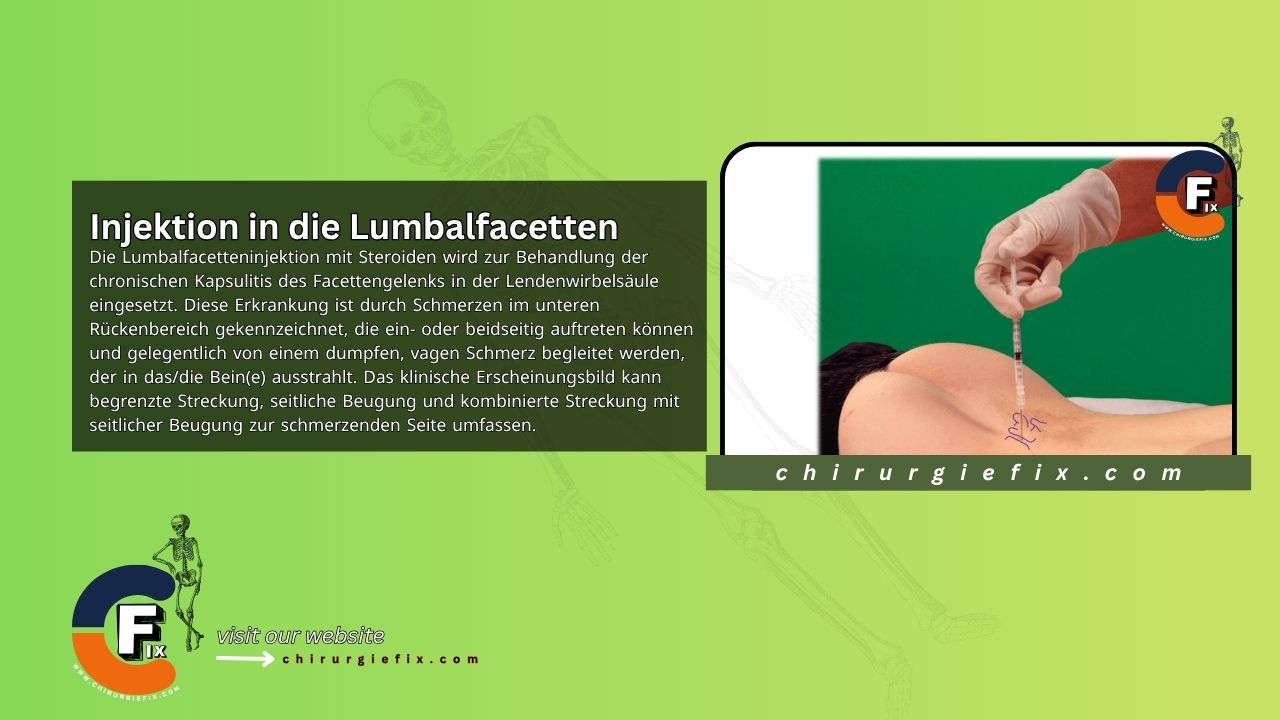
Injection into the pes anserinus bursa is a treatment for chronic bursitis that occurs in overuse sports, particularly among dancers or runners.
Chronic pes anserinus bursitis is characterized by pain, local tenderness, and possibly visible or palpable swelling just proximal to the insertion of the medial knee flexors. Painful knee flexion against resistance is common. Differential diagnoses include individual lesions of the sartorius, gracilis, or semitendinosus tendons.
The pes anserinus, or “goose’s foot,” is the combined insertion tendon of the sartorius, gracilis, and semitendinosus muscles. It attaches to the medial side of the tibia, just below the knee joint line. The bursa lies directly beneath the tendon, immediately behind its insertion into the tibia, and is usually very tender to palpation.
After the pes anserine bursa injection, avoid excessive strain until pain subsides. A change in the causative activity, possible modification of footwear, or consultation with a podiatrist may need to be considered.
Remember that the bursa is extremely tender to palpation in every individual, so always compare palpation to the other knee.
Initial treatment includes nonsteroidal anti-inflammatory drugs (NSAIDs) or ice to reduce inflammation and pain. Rehabilitation for these patients involves increasing stretching, flexibility, and endurance of the pes anserinus muscles. Short-term use of a knee brace may be appropriate for pain relief.
Surgical intervention is usually reserved for cases where conservative management has failed over extended periods. Incision and drainage of the bursa may relieve symptoms, and bursectomy has also been reported in the literature. Underlying conditions should be addressed, such as an exostosis that should be removed.
One study suggests that ultrasound-guided pes anserinus bursa injection is more accurate and effective than blind injection in patients with pes anserinus bursitis.