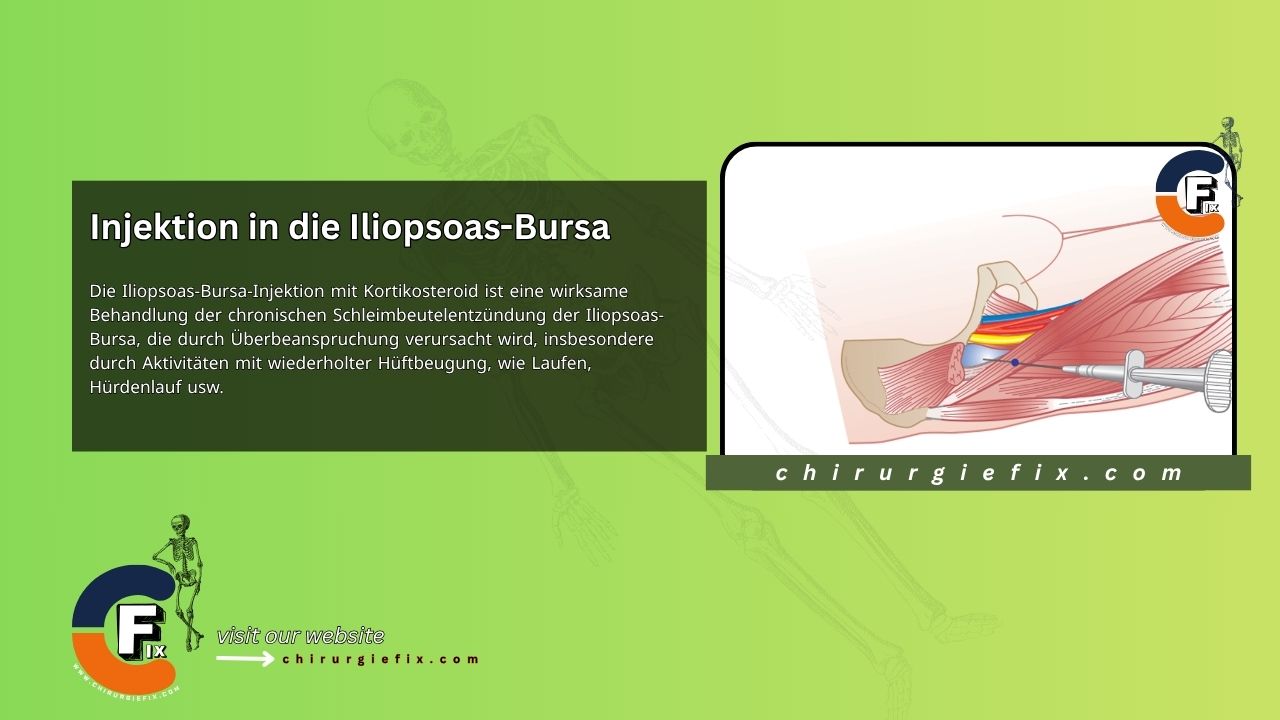
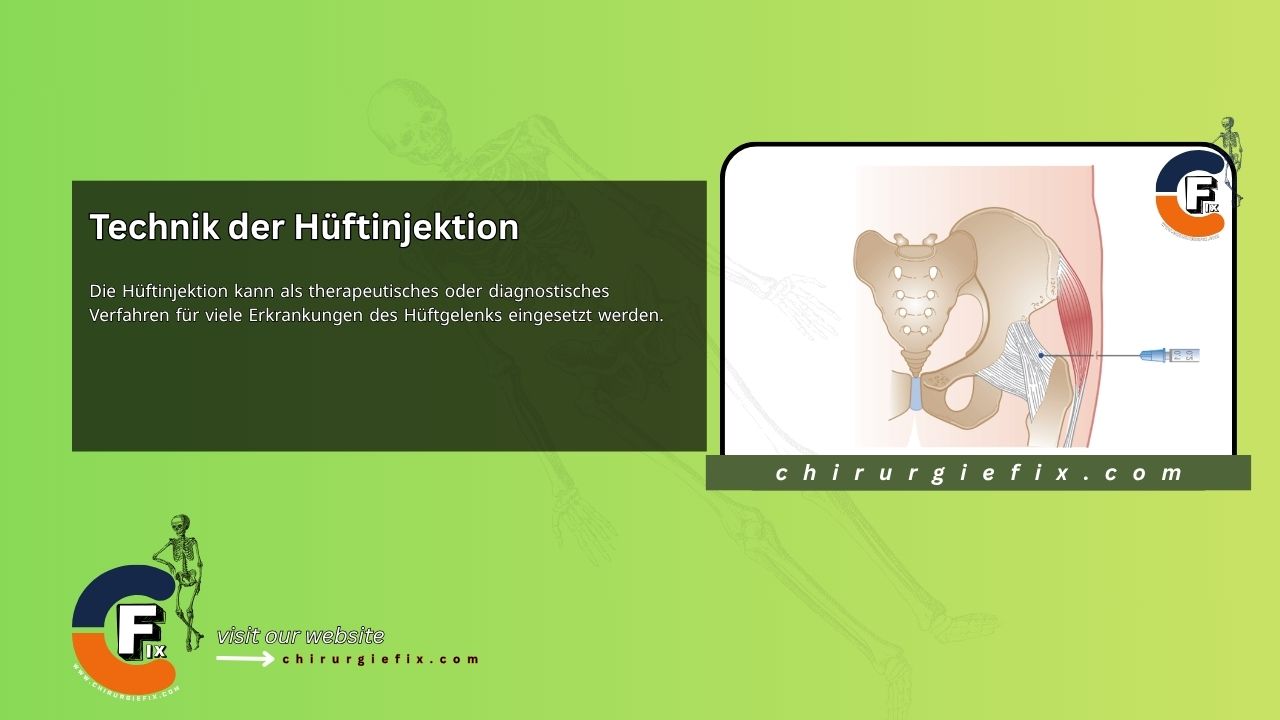
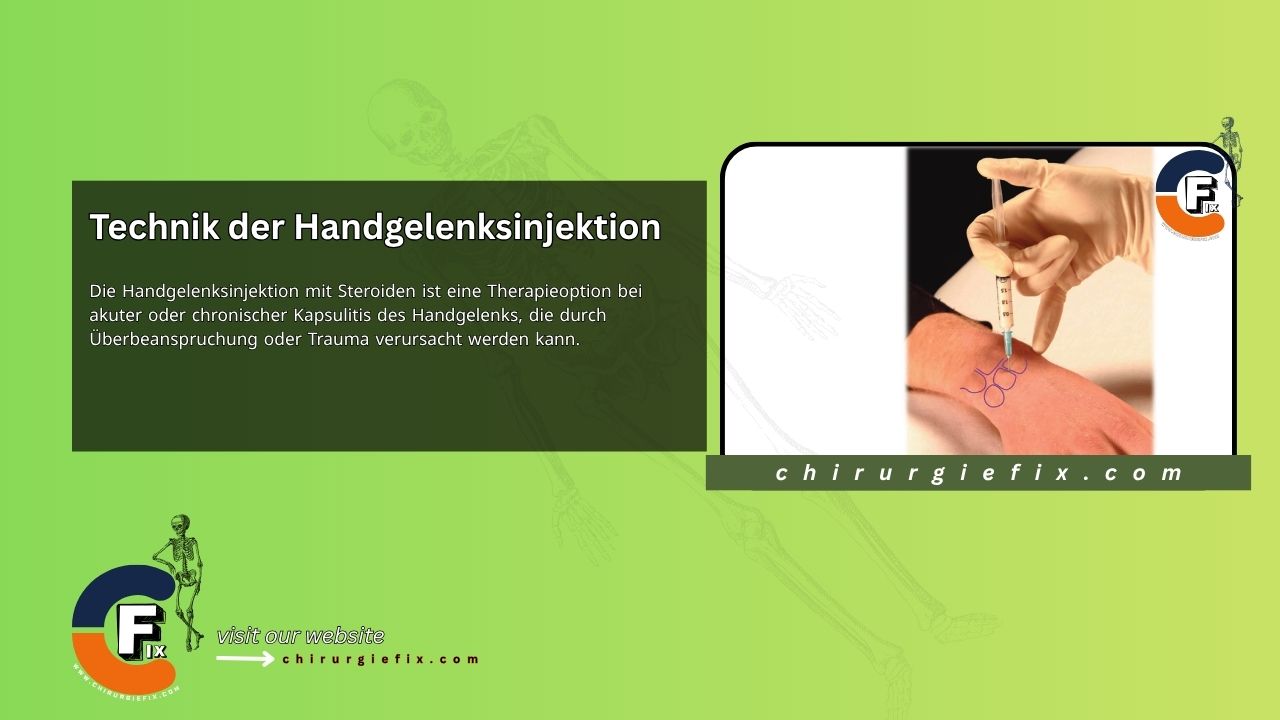
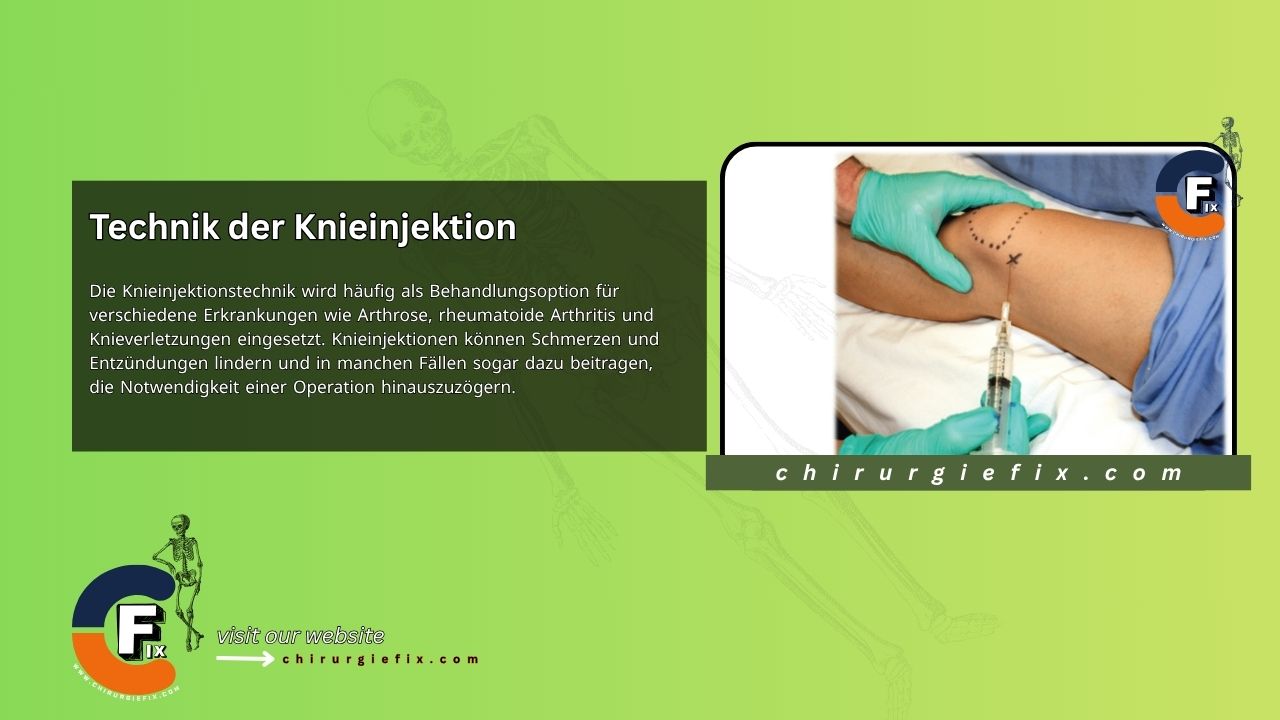
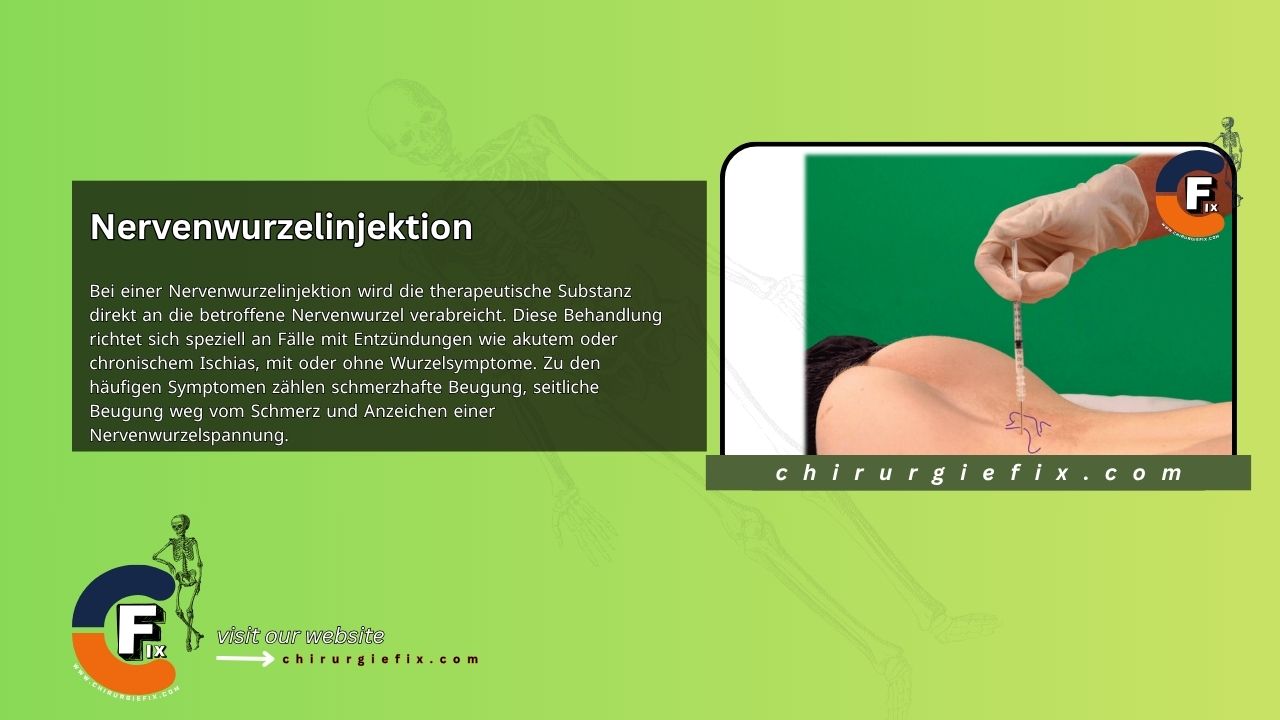
A corticosteroid injection into the iliopsoas bursa is an effective treatment for chronic bursitis caused by overuse. This condition is common in activities that involve repetitive hip flexion, such as running and hurdling.
Chronic iliopsoas bursitis is characterized by groin pain, painful passive hip flexion, adduction, abduction, and extension, as well as pain with resisted flexion and adduction. The scoop test, which involves a passive circular compression of the femur from full flexion into adduction, can help confirm the diagnosis.
The iliopsoas bursa is located between the iliopsoas tendon and the anterior aspect of the hip capsule, over the femoral neck. It lies deep to three key groin structures: the femoral vein, artery, and nerve, at the level of the inguinal ligament. Careful needle placement is essential to avoid these structures. The technique described below aims to guide the needle obliquely upward and medially, passing underneath the neurovascular bundle.
Post-Procedure Recommendations: Avoid activities that irritated the bursa until symptoms resolve completely. After that, begin hip extensor stretching and a muscle-balancing program.
While an iliopsoas bursa injection may seem intimidating on the first attempt, this approach is safe and effective in our experience. Occasionally, a lateral branch of the femoral nerve may be impinged, causing temporary quadriceps weakness. If the patient reports tingling or burning pain during the procedure, reposition the needle before injecting, or abort and reschedule the procedure.
Given the many possible differential diagnoses, maintain a high index of suspicion until the diagnosis is confirmed. When in doubt, a diagnostic injection with a local anesthetic alone can be used. A longer spinal needle may be necessary for larger patients.
Iliopsoas tendinitis is a rare complication after total hip arthroplasty (THA) but should be considered in the differential diagnosis for any patient with post-THA groin pain. Selective steroid and anesthetic injections into the iliopsoas bursa provide adequate pain relief for most patients and should be part of the non-operative treatment plan before considering surgical release of the iliopsoas tendon or component revision.
Patients with groin pain and a suspected iliopsoas tendon tear may benefit from an iliopsoas bursa injection, even if the tear is not visible on ultrasound. Corticosteroid use can provide long-term pain relief, and post-injection pain relief is a good indicator of a favorable outcome following surgical release of the iliopsoas tendon.