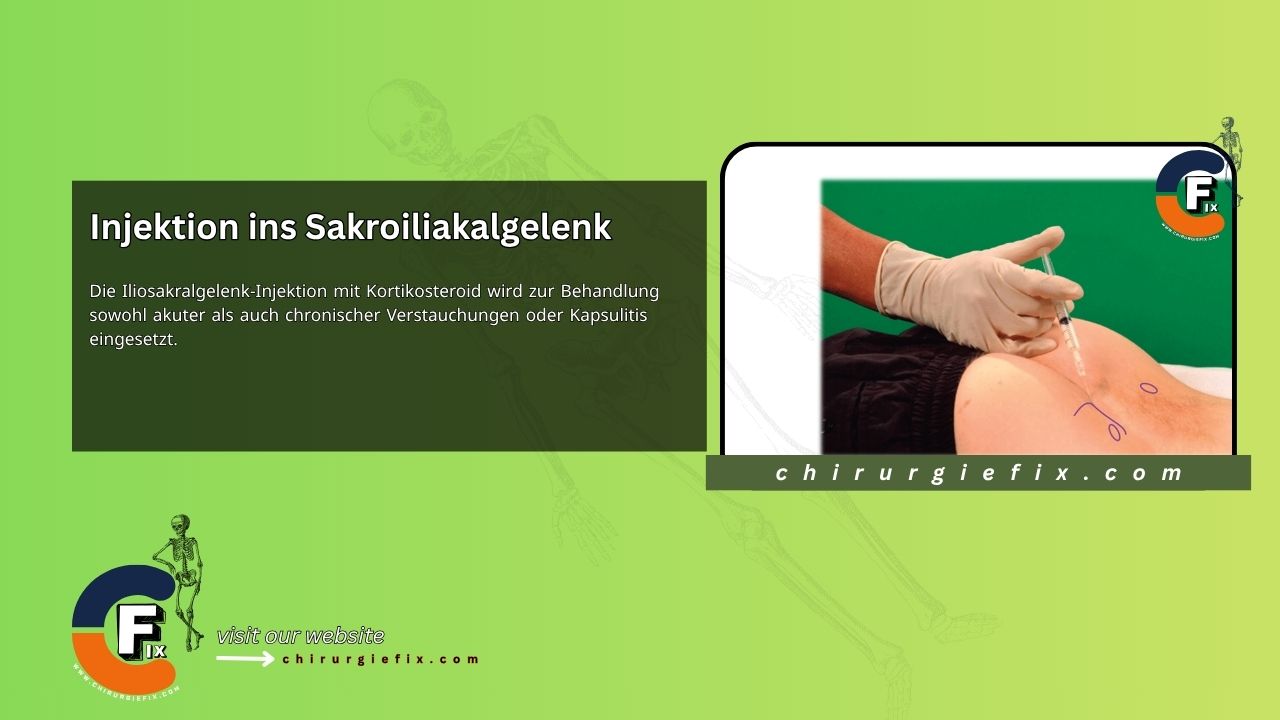
Corticosteroid injections into the sacroiliac joint are used to treat both acute and chronic sprains or capsulitis. These conditions are frequently observed in women, particularly during the prenatal or postpartum period, or as a result of a traumatic event such as a fall onto the buttocks. Patients may experience pain after periods of rest or prolonged sitting or standing. Additionally, while successful manipulation can relieve acute discomfort, it may lead to persistent ligament pain over time.
These conditions are characterized by pain in the buttock, groin, or sometimes the back of the thigh extending to the calf. Patients may also experience pain when the posterior ligaments are stressed during hip flexion, oblique and transverse adduction, and when the anterior ligaments are stressed during hip flexion, abduction, and/or external rotation. An asymmetry in gait may also be observed during a walking test.
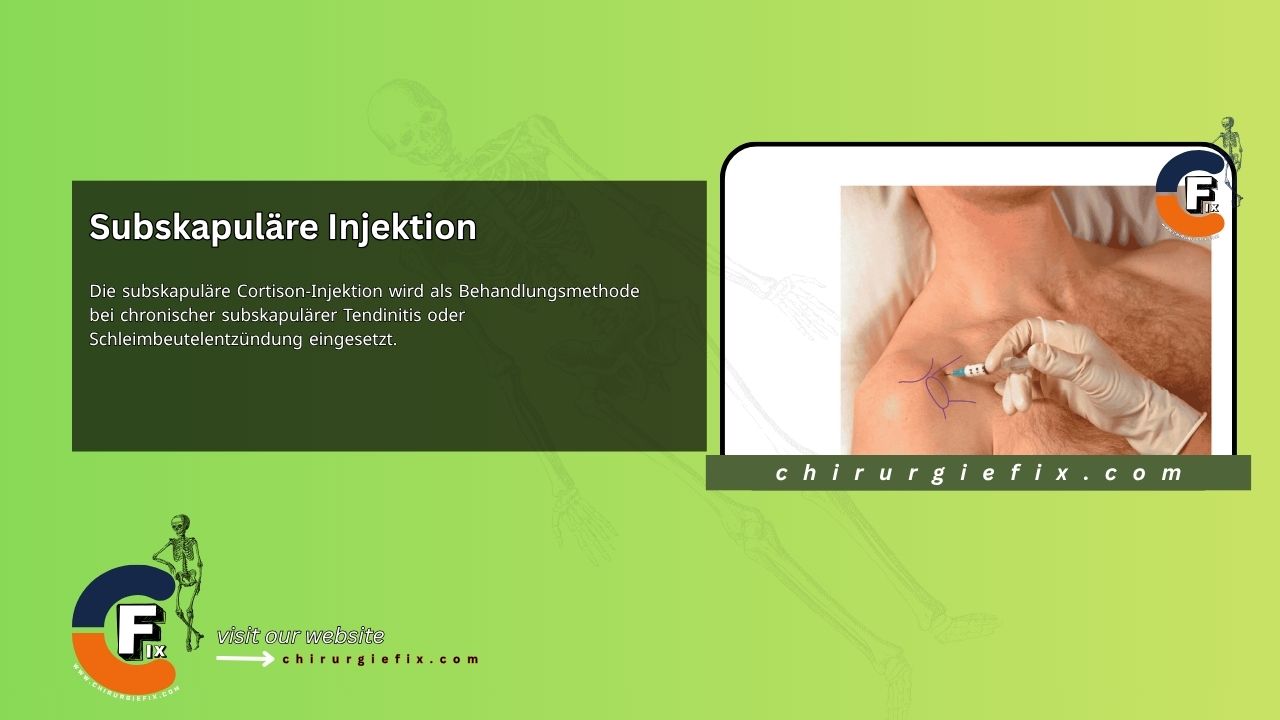
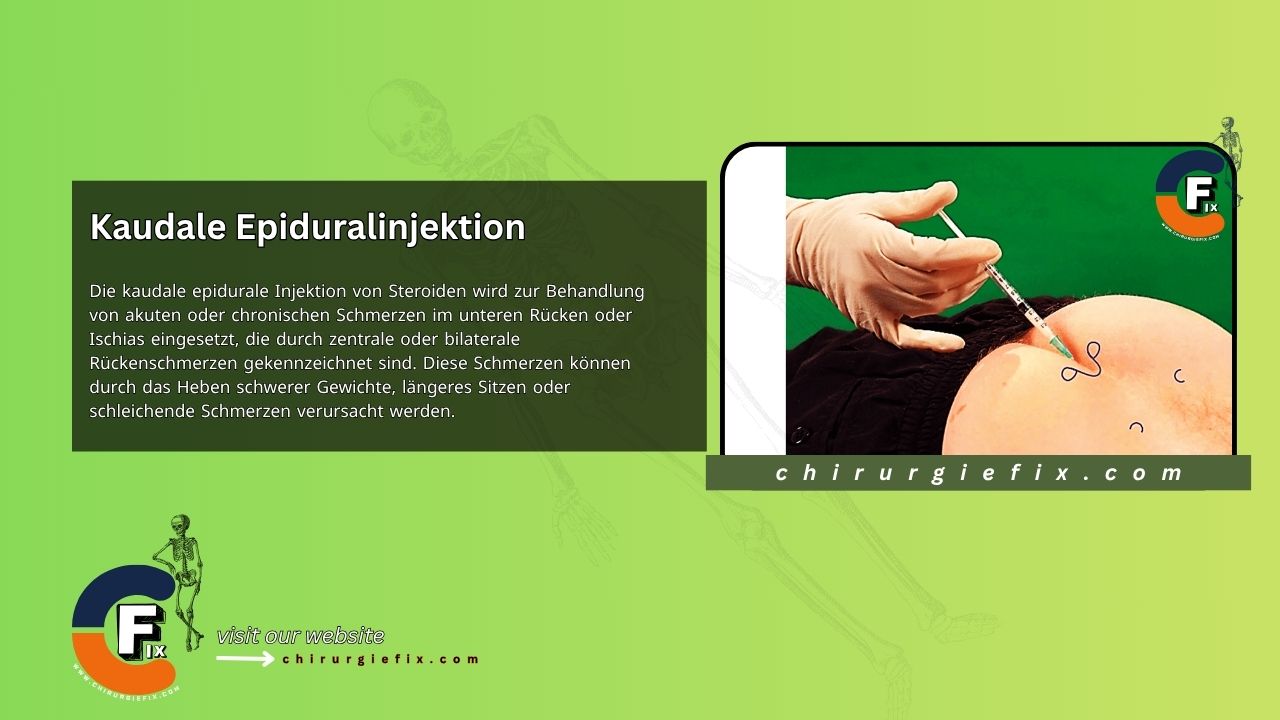
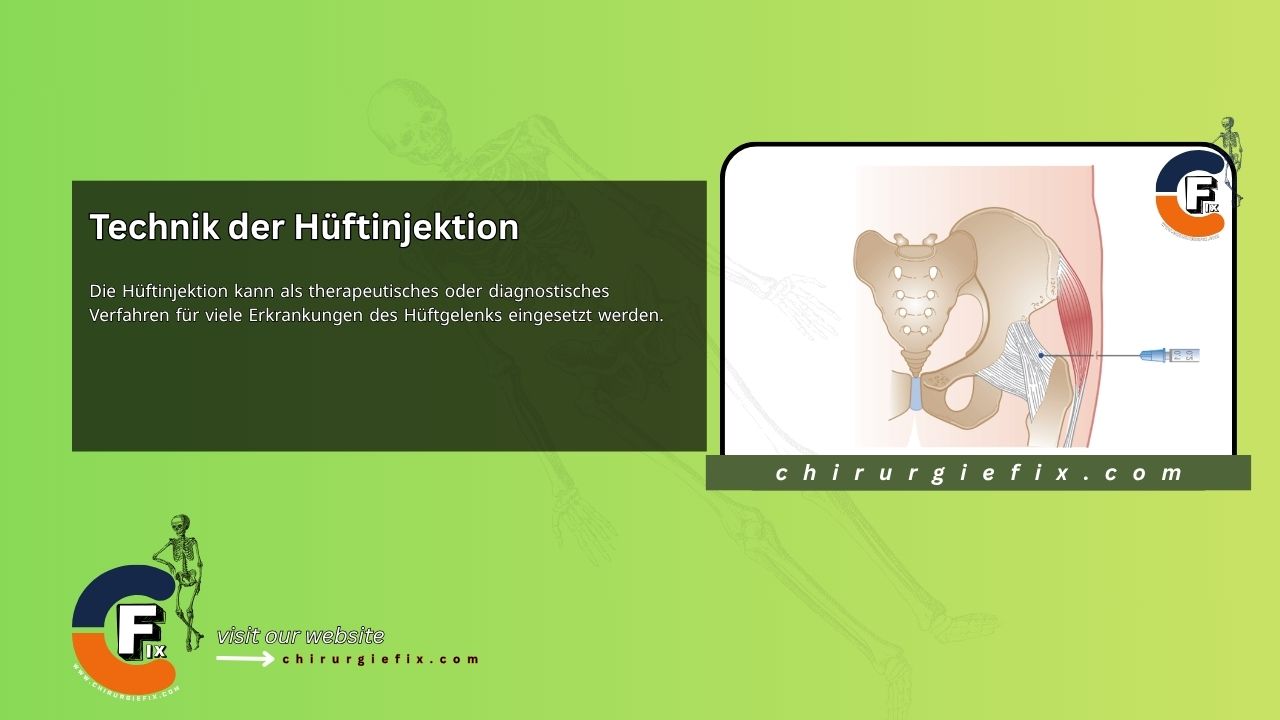
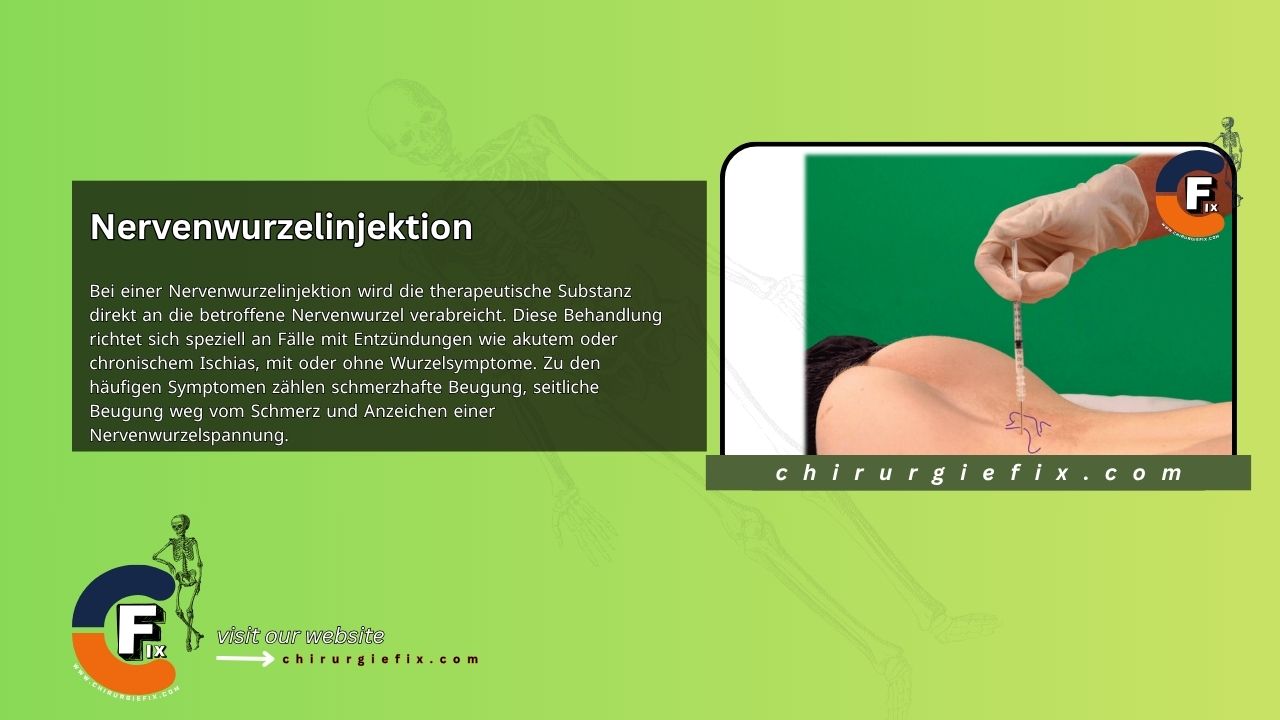
The sacroiliac joint surfaces are obliquely inclined posteroanteriorly, with a sharper angle observed in women. The dimples in the upper part of the buttocks mark the location of the posterior superior iliac spines. Administering injections into this joint can be challenging, but the most accessible entry point is typically a slight depression directly below and slightly medial to the posterior superior iliac spine.
To alleviate discomfort, patients are encouraged to perform pain-free movements such as lunging with the foot on a chair or moderate walking. It is important to avoid hip abduction positions and to maintain a supported sitting posture. If the joint is unstable, a temporary belt can be worn for additional support. Sclerosing injections may also be considered to improve ligament stability.
Sacroiliac joint injections are not commonly used; typically, manipulation, mobilization, and exercise techniques effectively relieve most chronic sacroiliac joint symptoms.
When injecting the sacroiliac joint, the needle may encounter bony resistance and requires careful handling to accommodate varying bone shapes before entering the joint space.
Administering a small amount of solution can help make the procedure less uncomfortable. Repeated sacroiliac joint injections are rare, as the joint can often be successfully manipulated a week later if needed.
Diagnostic sacroiliac joint block has proven to be a useful confirmatory tool in the assessment of sacroiliac joint-mediated pain. A sacroiliac joint injection with a local anesthetic and steroids can be used as a potential therapeutic measure to manage pain and inflammation.