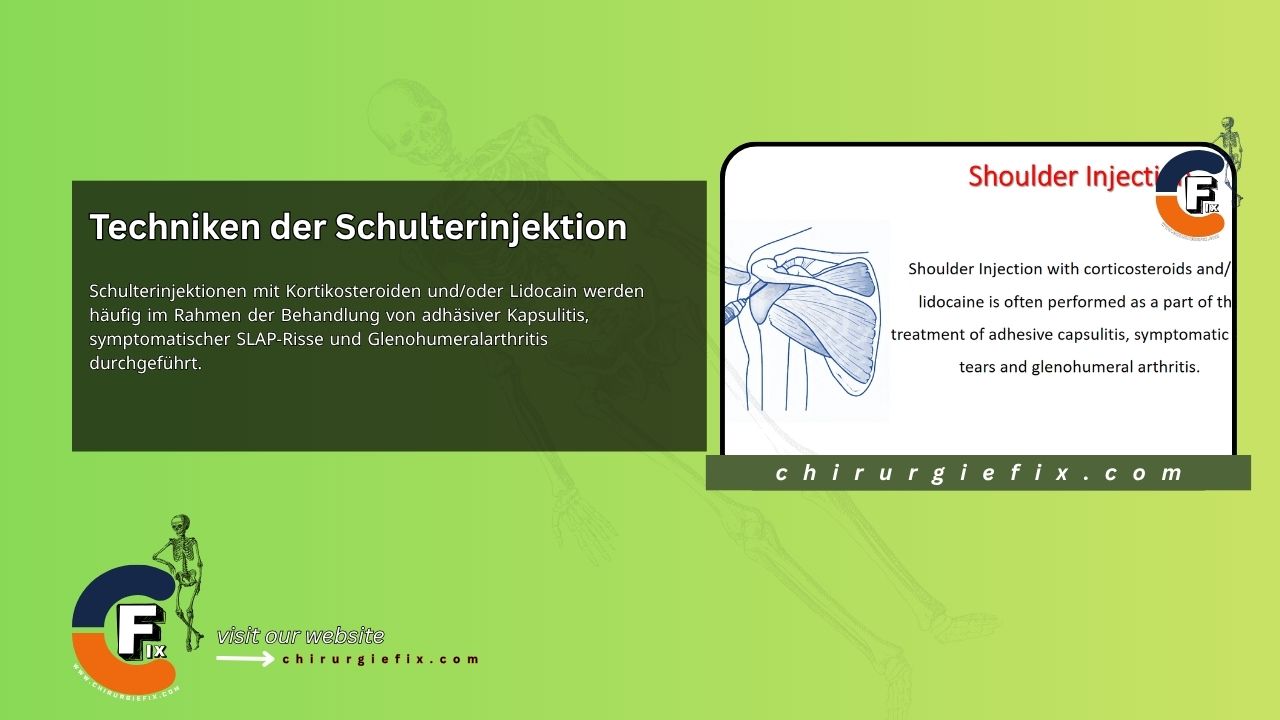
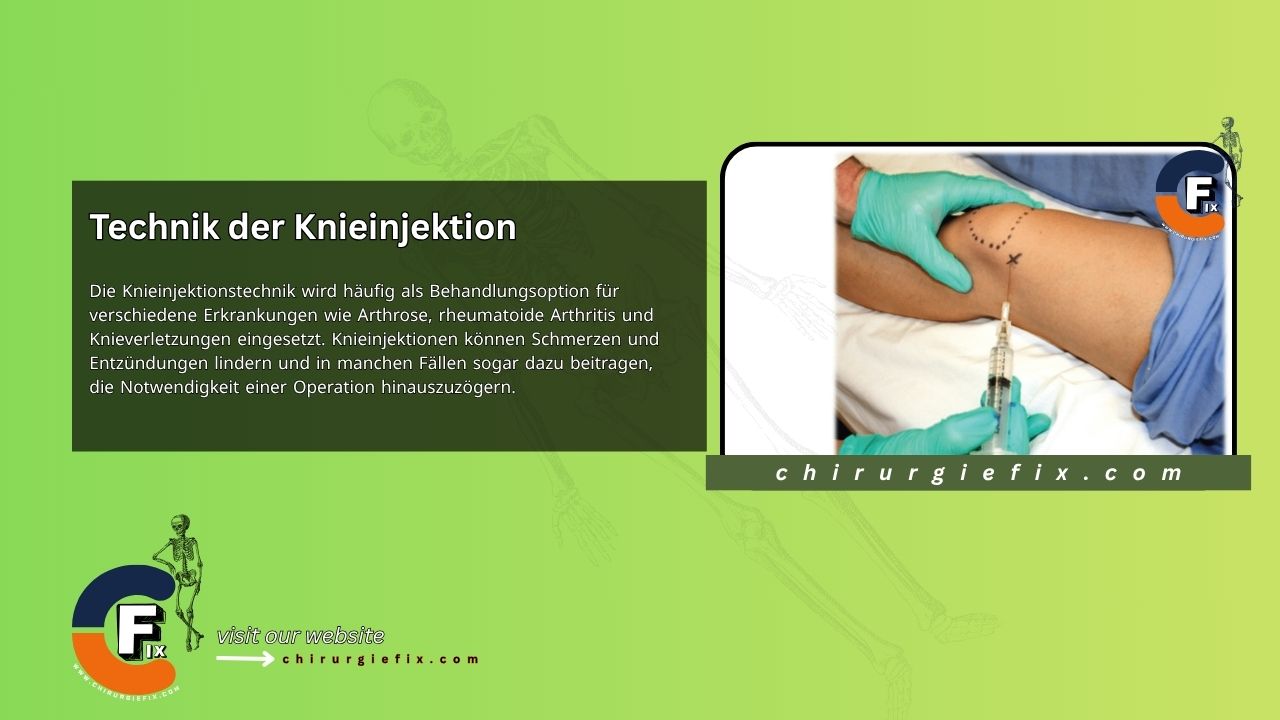
Shoulder injections with corticosteroids and/or lidocaine are commonly performed as part of the treatment plan for adhesive capsulitis, symptomatic SLAP tears, and glenohumeral arthritis.
Subacromial injections are frequently indicated for patients experiencing symptoms and functional limitations due to rotator cuff tendinopathy, long head of the biceps tendonitis, or subdeltoid bursitis that have not responded to oral anti-inflammatory medications and physical therapy.
Several approaches for shoulder aspiration and injection have been described, with the anterior and posterior approaches being the most commonly used.
Absolute and Relative Contraindications for Joint Injection
Absolute Contraindications:
- Local cellulitis.
- Septic arthritis (shoulder aspiration for diagnosis is indicated).
- Acute fracture.
- Bacteremia.
- Joint prosthesis.
- History of allergy or anaphylaxis to injectable medications or their components.
Relative Contraindications
- Minimal relief after two prior corticosteroid injections.
- Underlying coagulopathy.
- Anticoagulation therapy.
- Evidence of osteoporosis in the surrounding joint.
- Anatomically inaccessible joints.
- Uncontrolled diabetes mellitus.
Posterior Approach
Position the patient in a seated position, with the affected upper extremity resting comfortably on the chair's armrest and the shoulder in an internally rotated position.
Examine the posterolateral aspect of the shoulder for signs of overlying cellulitis (avoid inserting the needle through an area of potential infection).
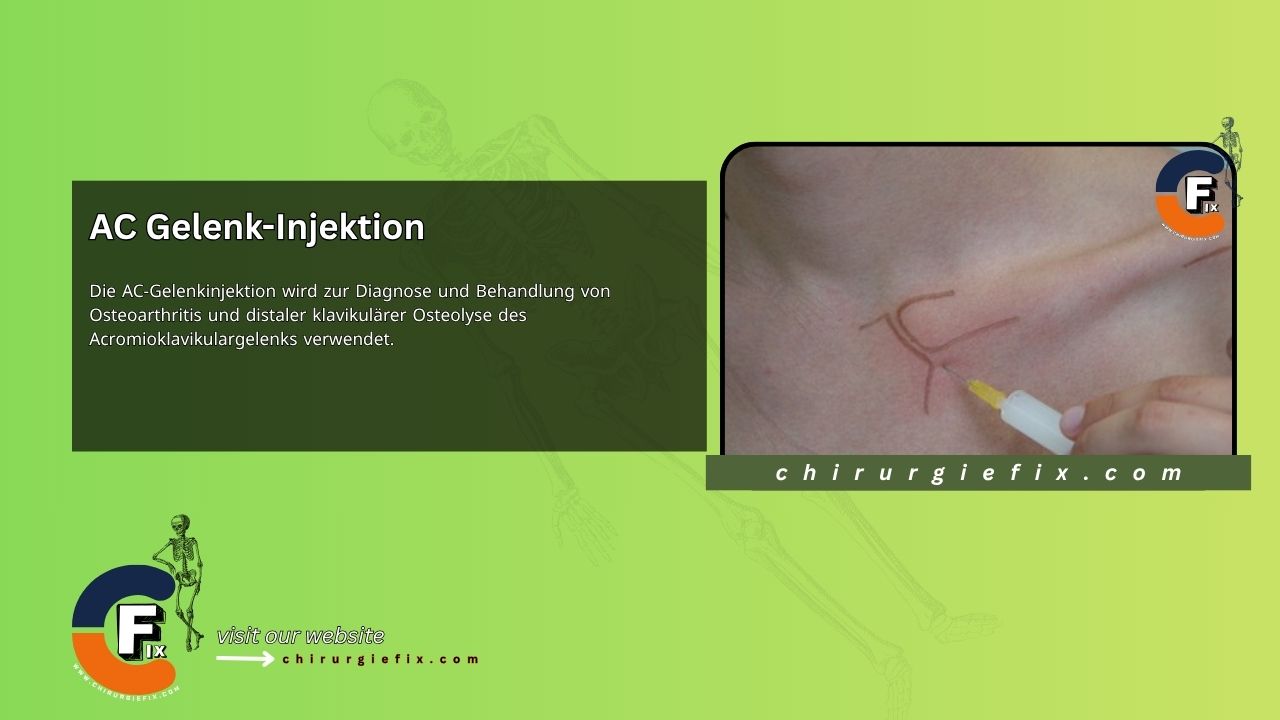
Palpate the posterior and lateral borders of the acromion process, identify its posterolateral edge, and palpate the coracoid process anteriorly.
Locate the posterolateral soft spot between the humeral head and the glenoid, approximately two fingerbreadths distal and one fingerbreadth medial to the posterolateral corner of the acromion. The position of the humeral head relative to the glenoid can be assessed by rotating the upper arm. Mark this spot as the starting point for aspiration or injection. This same entry point is used for both glenohumeral and subacromial injections.
Prepare the skin in this area with alcohol and povidone-iodine.
For Shoulder Aspiration:
- Use an 18–20 gauge needle attached to an appropriately sized syringe (typically a 10–20 ml syringe).
- If available, an assistant can spray the area with ethyl chloride spray just before needle insertion to provide superficial analgesia.
- Direct the needle anteriorly toward the coracoid process, advancing slowly and aiming slightly medially. Any contact with the underlying bone of the humeral head should prompt careful withdrawal and redirection of the needle further medially and slightly superiorly.
- Once the needle enters the intra-articular space, begin aspirating.
- If needed, additional syringes can be used for aspiration by disconnecting the Luer-Lock from the needle. A hemostat can be used to stabilize the needle, ensuring its intra-articular position does not change.
- Once aspiration is complete, a new sterile needle can be attached to the syringe to distribute the obtained fluid into culture and blood tubes for later analysis. An assistant can be helpful at this step to maintain sterility.
For Shoulder/Subacromial Injection:
- Using the same approach, the prepared medication can be injected once the needle is in the intra-articular space.
- When injecting medication into the subacromial space, use the same entry point but direct the needle at a 10 to 15-degree angle upward to end just distal to the underside of the acromion process.
- Once in the subacromial space, aspirate first to ensure the needle tip is not intravascular, then proceed with the prepared lidocaine/steroid injection for the shoulder.
- After aspiration and/or injection, remove the needle. Clean the prepared skin with an alcohol swab, dry it with a gauze pad, and apply a bandage.
Anterior Approach
Position the patient in a seated position, with the affected upper extremity resting comfortably on the chair's armrest and the shoulder in a neutral or slightly externally rotated position (approximately 15 to 20 degrees).
Examine the anterior aspect of the shoulder for signs of overlying cellulitis (avoid inserting the needle through an area of potential infection).
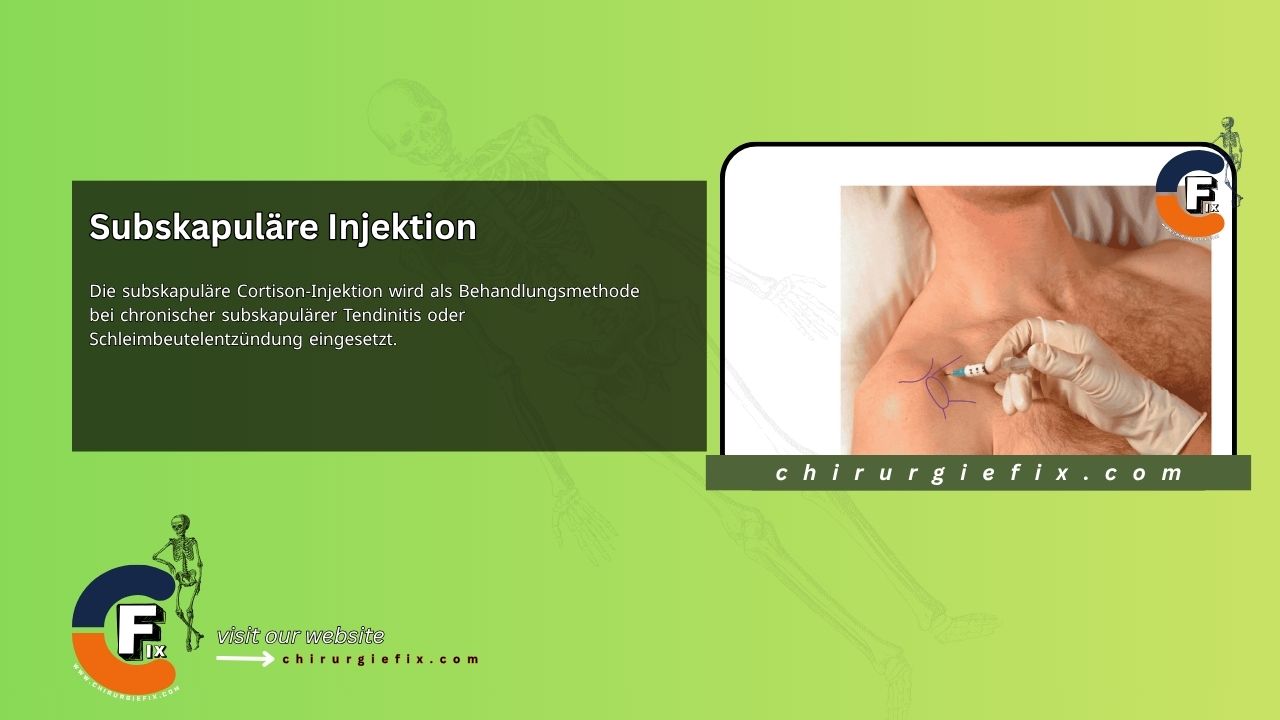
Palpate the coracoid process and the humeral head. Rotating the upper extremity can help locate the humeral head relative to the glenoid.
Mark the starting point for aspiration or injection directly medial to the humeral head, 5 to 10 mm lateral to the tip of the coracoid process.
Prepare the skin in this area with alcohol and povidone-iodine.
For Shoulder Aspiration:
- Use a 20 or 21 gauge needle attached to an appropriately sized syringe (typically a 10–20 ml syringe).
- If available, an assistant can spray the area with ethyl chloride spray just before needle insertion to provide superficial analgesia.
- Direct the needle posteriorly, aiming slightly laterally and slightly superiorly to penetrate the joint through the rotator interval. Any contact with the underlying bone of the humeral head should prompt careful withdrawal and redirection further medially and slightly superiorly. Contact with the glenoid bone should prompt redirection further laterally.
- Once in the intra-articular space, begin aspirating.
- If needed, additional syringes can be used for aspiration by disconnecting the Luer-Lock from the needle. A hemostat can be used to stabilize the needle, ensuring its intra-articular position does not change.
- Once aspiration is complete, a new sterile needle can be attached to the syringe to distribute the obtained fluid into culture and blood tubes for later analysis. An assistant can be helpful at this step to maintain sterility.
For Shoulder Injections:
- Using the same approach, the prepared medication can be injected once the needle is in the intra-articular space.
- When injecting medication into the subacromial space, use the same entry point but direct the needle at a 10 to 15-degree angle upward to end just distal to the underside of the acromion process.
Lateral Approach
The patient sits with the arm hanging down to distract the humerus from the acromion and identify the lateral edge of the acromion. Insert the needle in the middle of the acromion roof, tilting it slightly upward to its full length under the acromion. Gently withdraw the needle while injecting a bolus wherever no resistance is felt.
References
- Cardone DA, Tallia AF. Joint and soft tissue injection. Am Fam Physician. 2002 Jul 15;66(2):283-8. PMID: 12152964.
- Courtney P, Doherty M. Joint aspiration and injection and synovial fluid analysis. Best Pract Res Clin Rheumatol. 2009 Apr;23(2):161-92. doi: 10.1016/j.berh.2009.01.003. PMID: 19393565.
- Rifat SF, Moeller JL. Injection and aspiration techniques for the family physician. Compr Ther. 2002 Winter;28(4):222-9. Review.
- Orthopedic Procedures in the Emergency Department: An Illustrative Guide for the House Officer by Eric J. Strauss and Kenneth A. Egol.